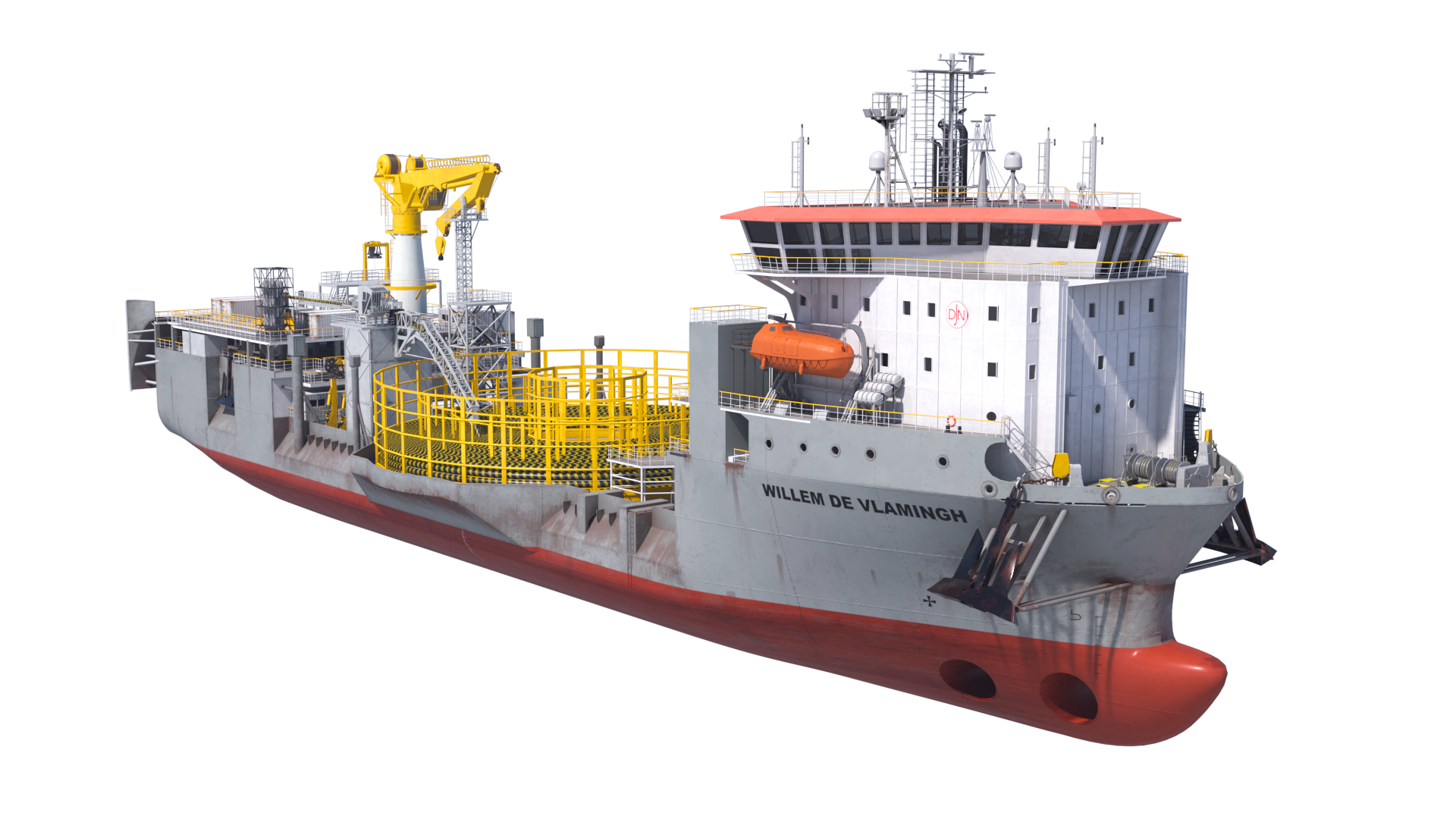
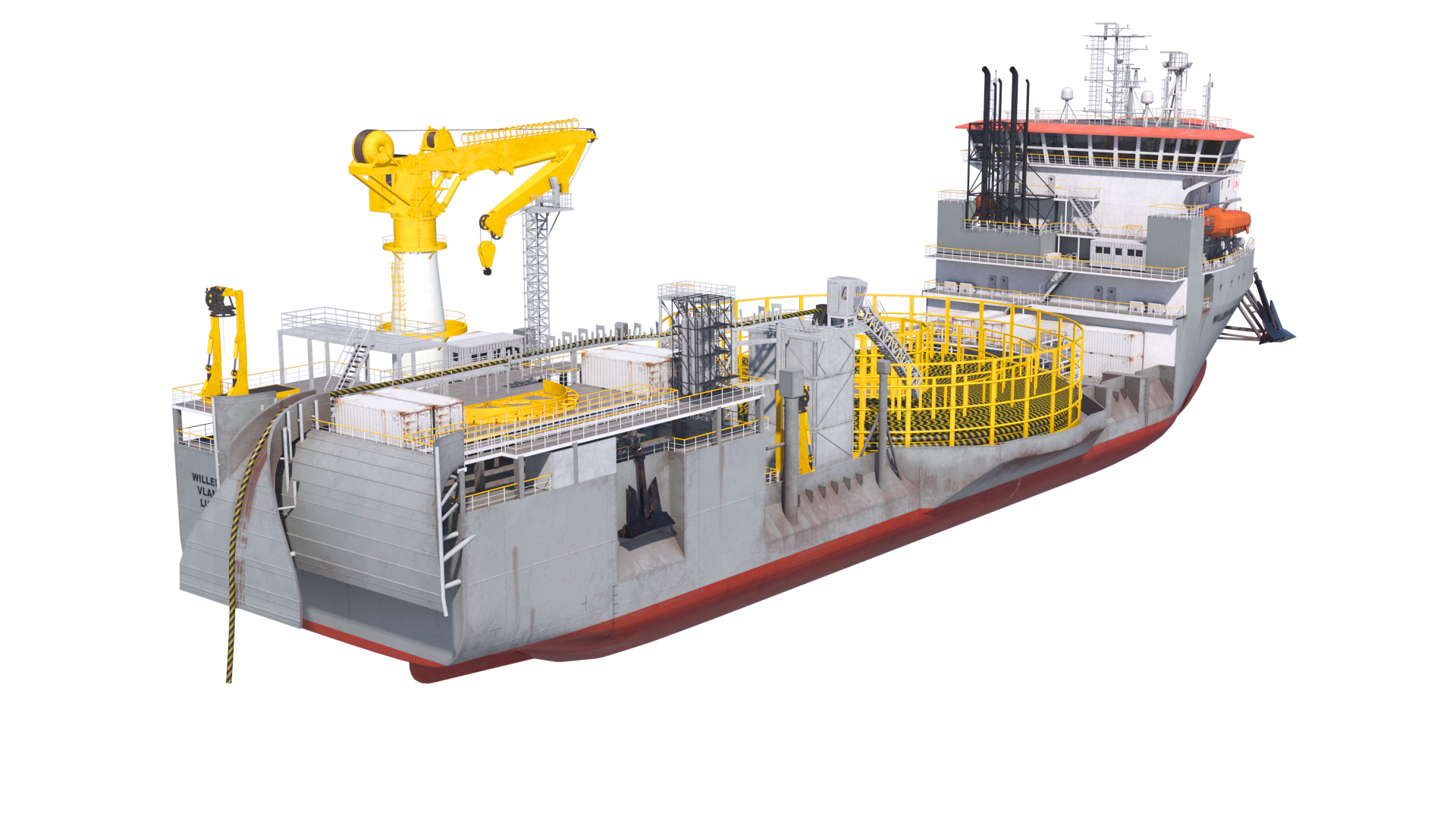
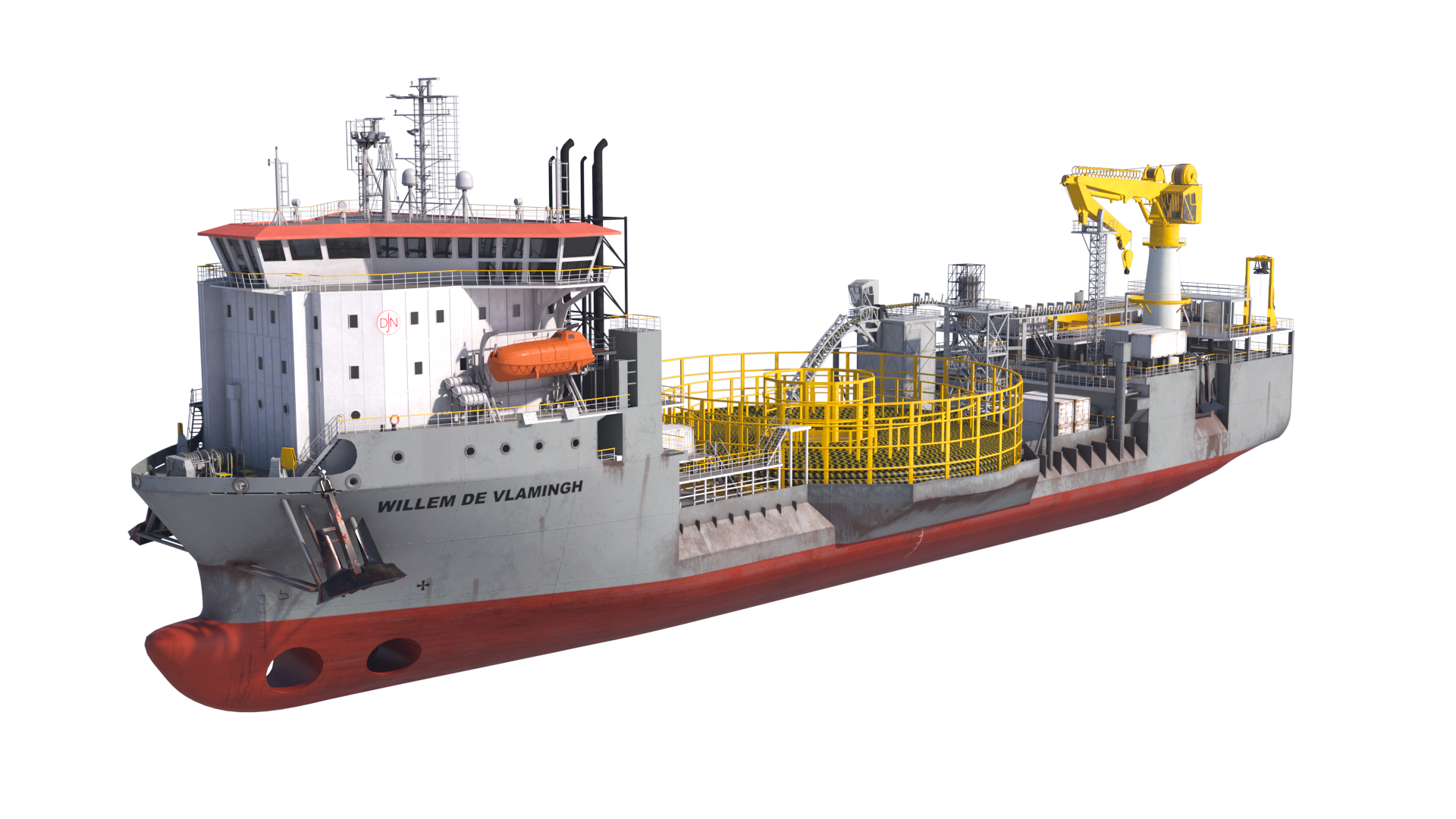
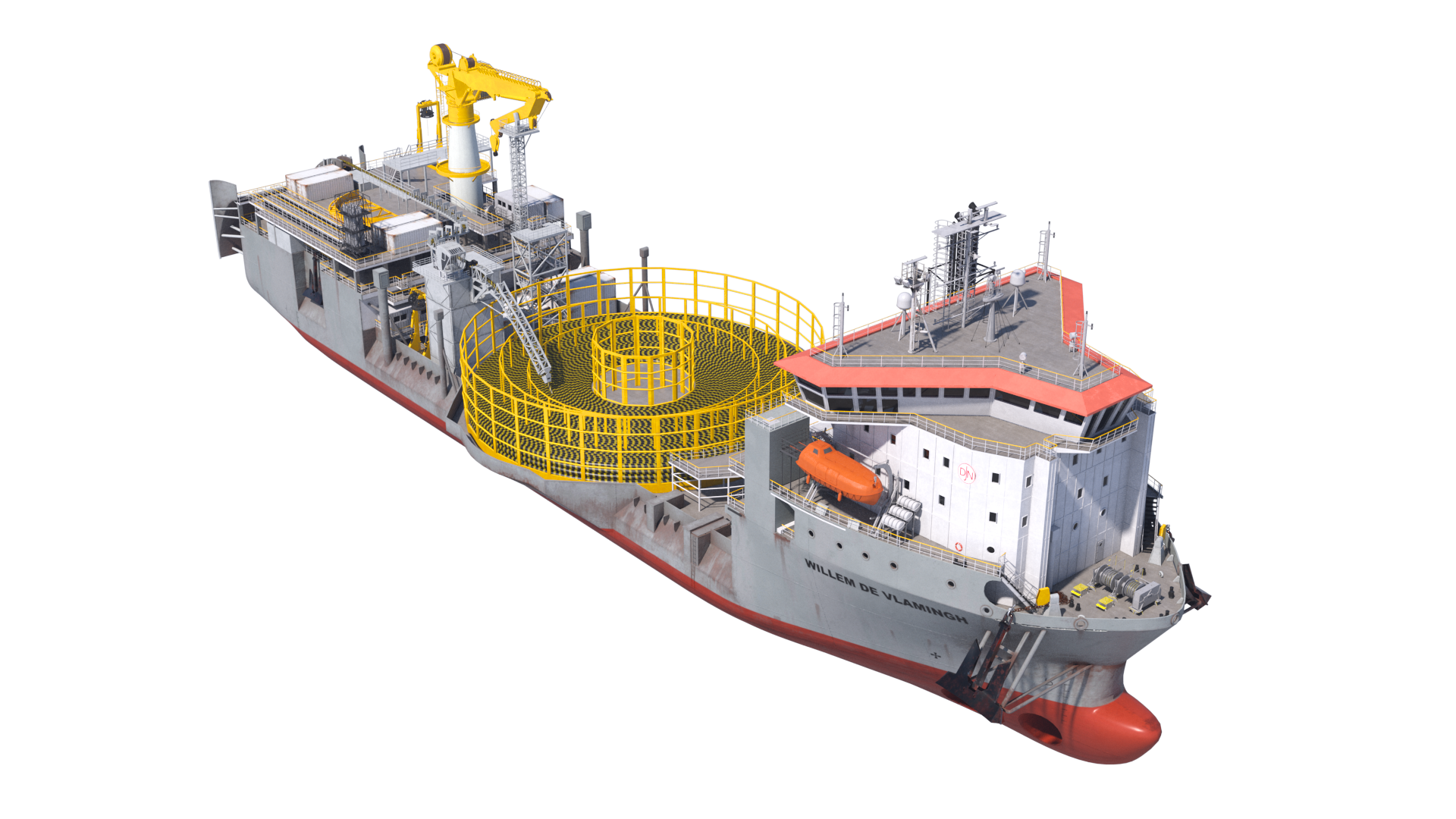
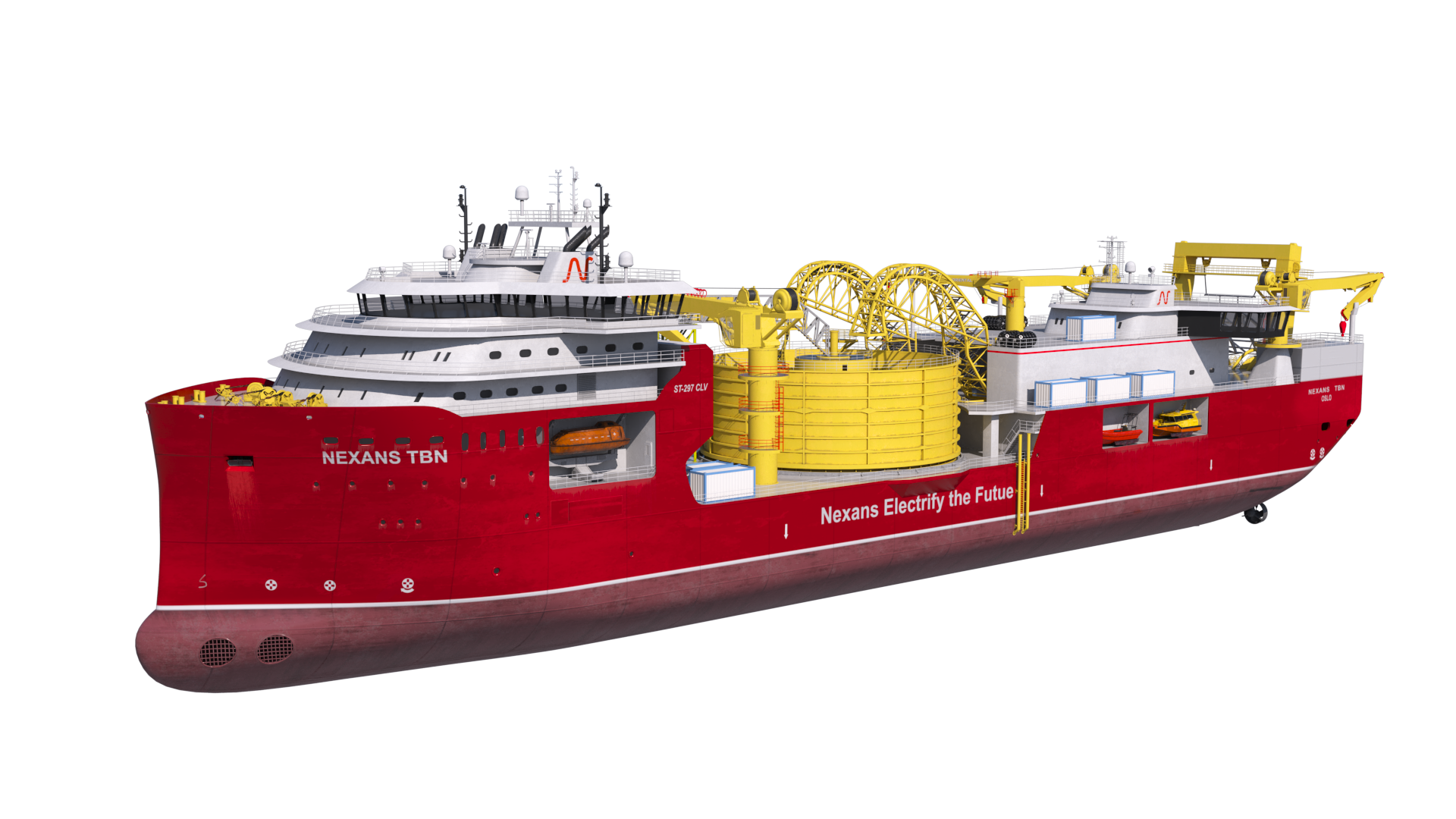
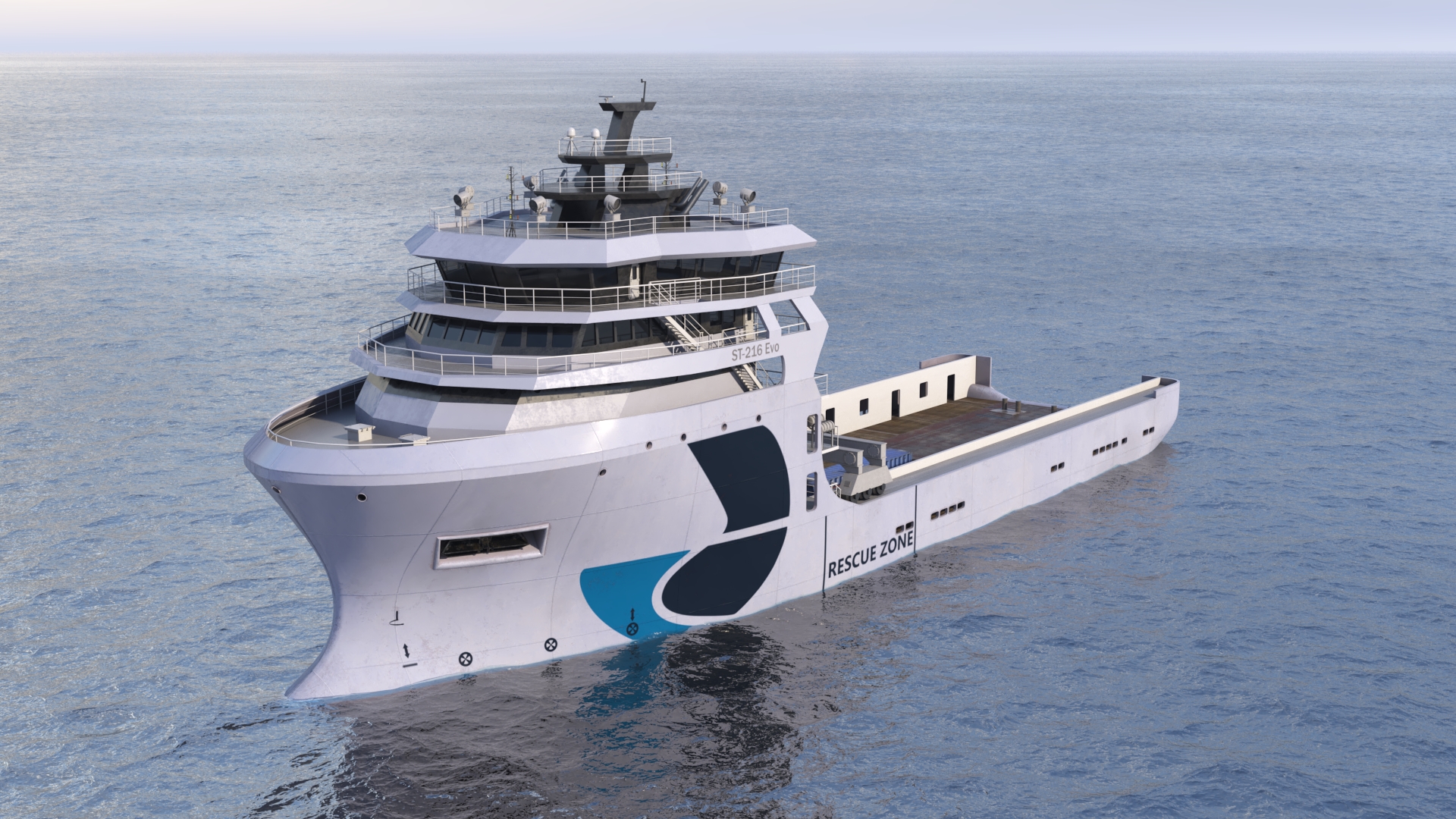
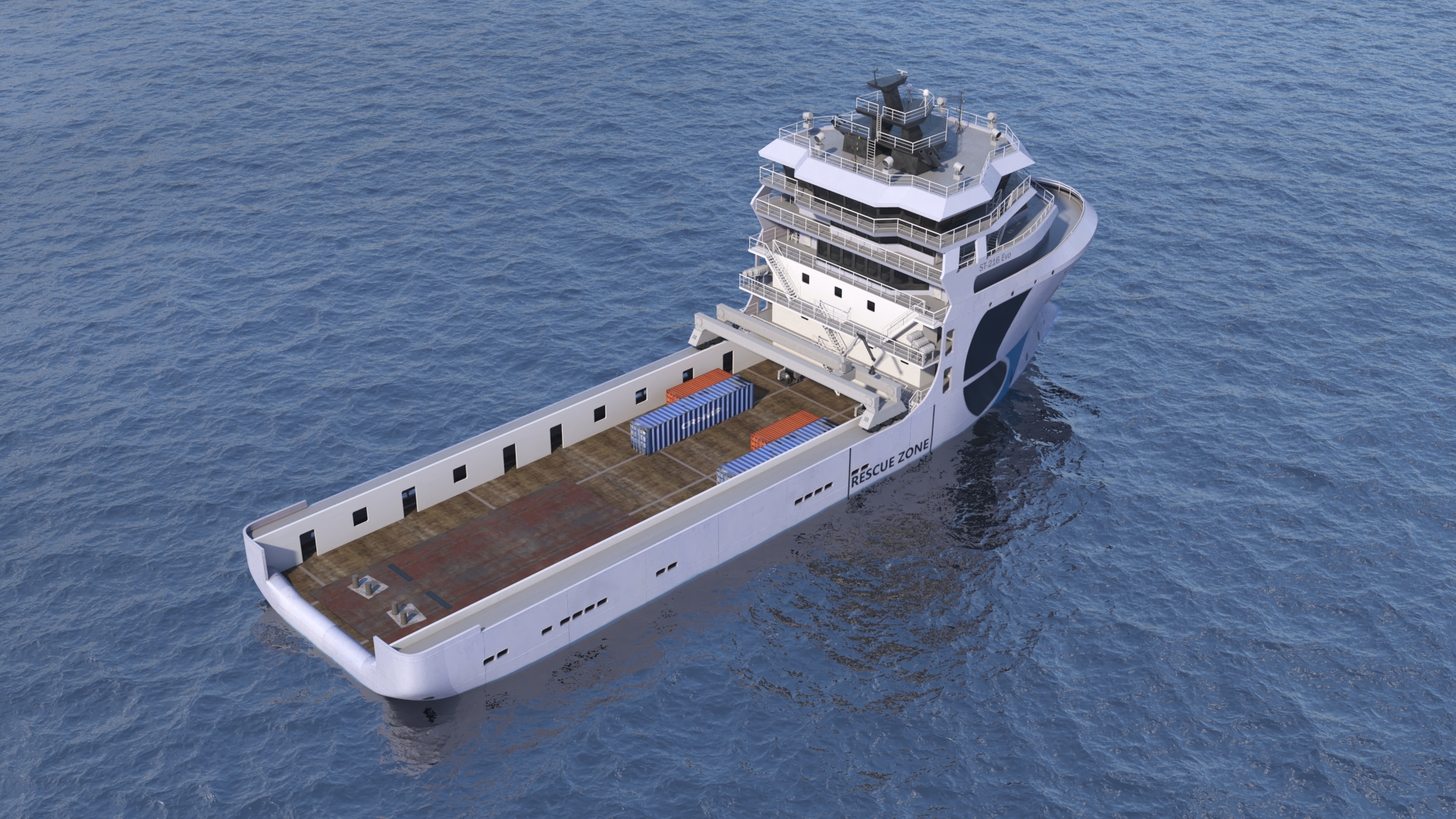
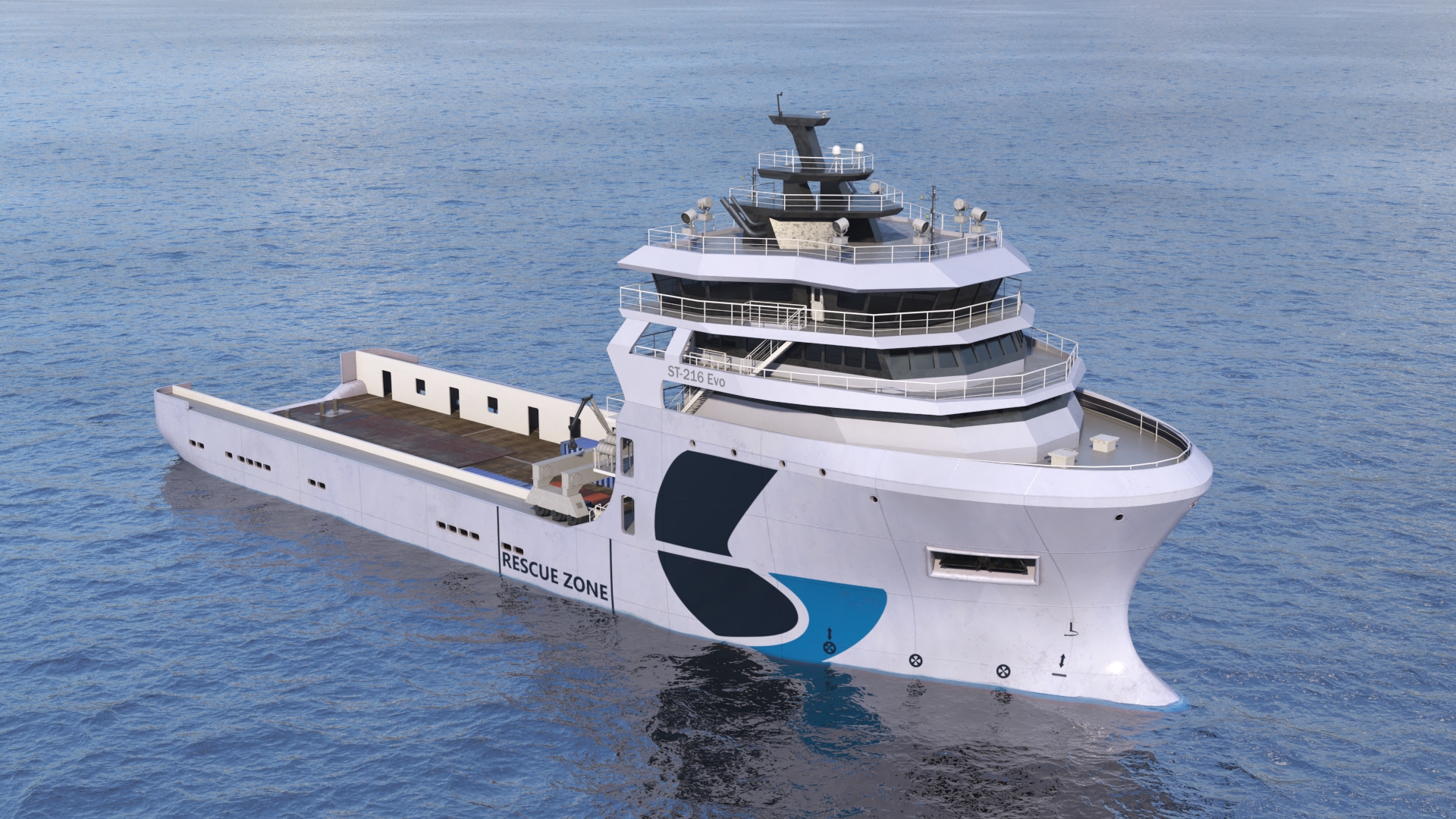
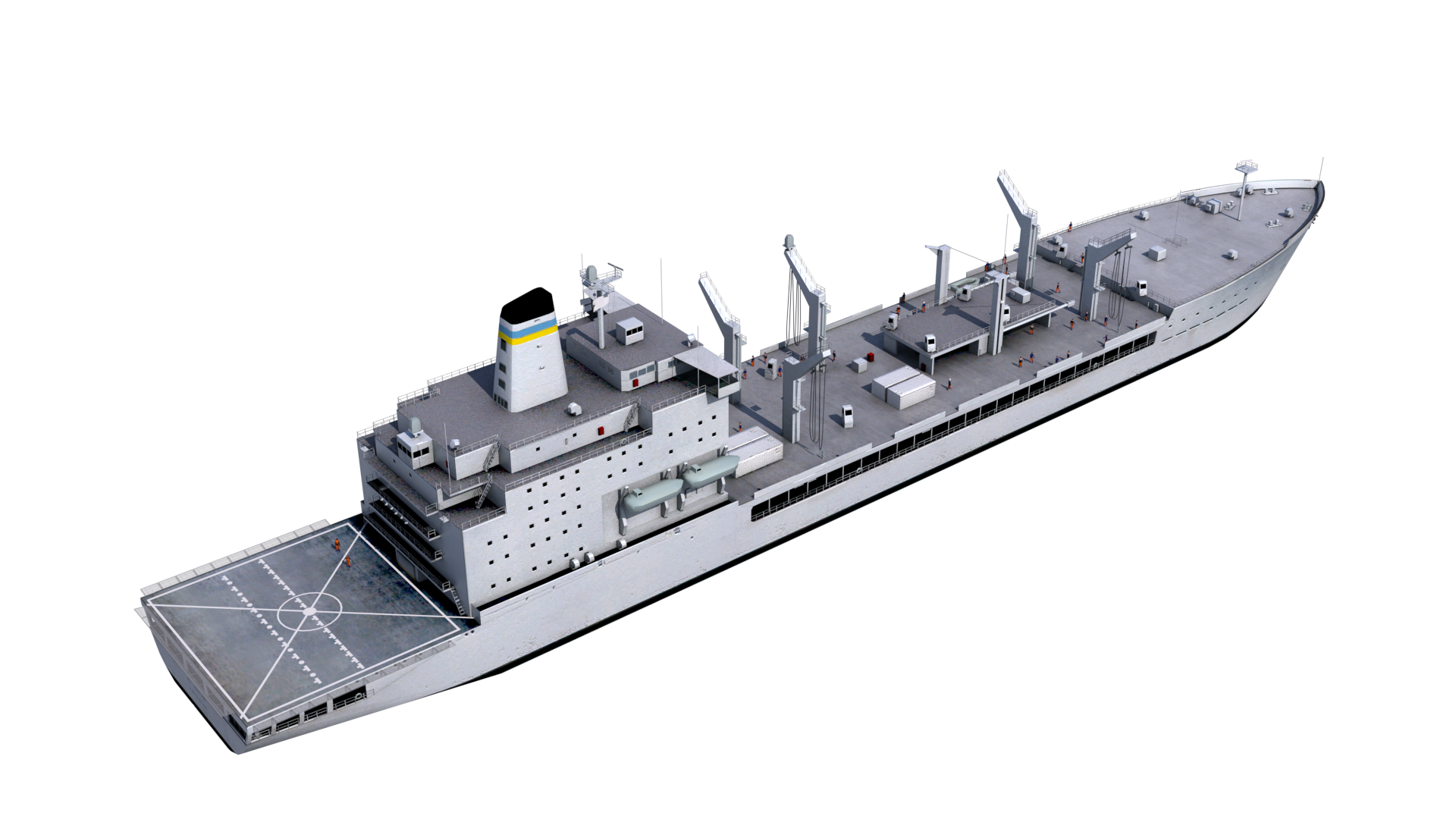
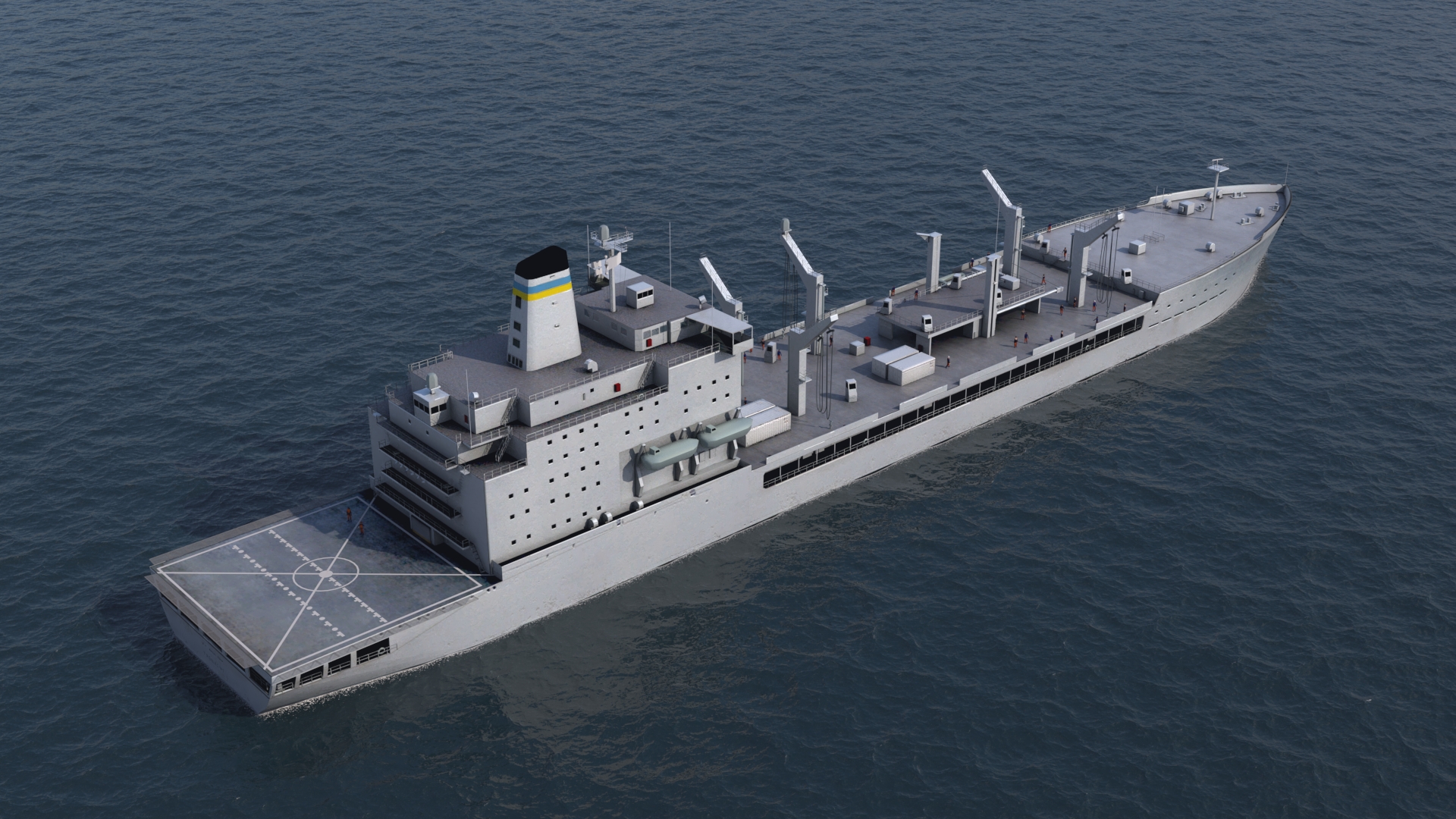
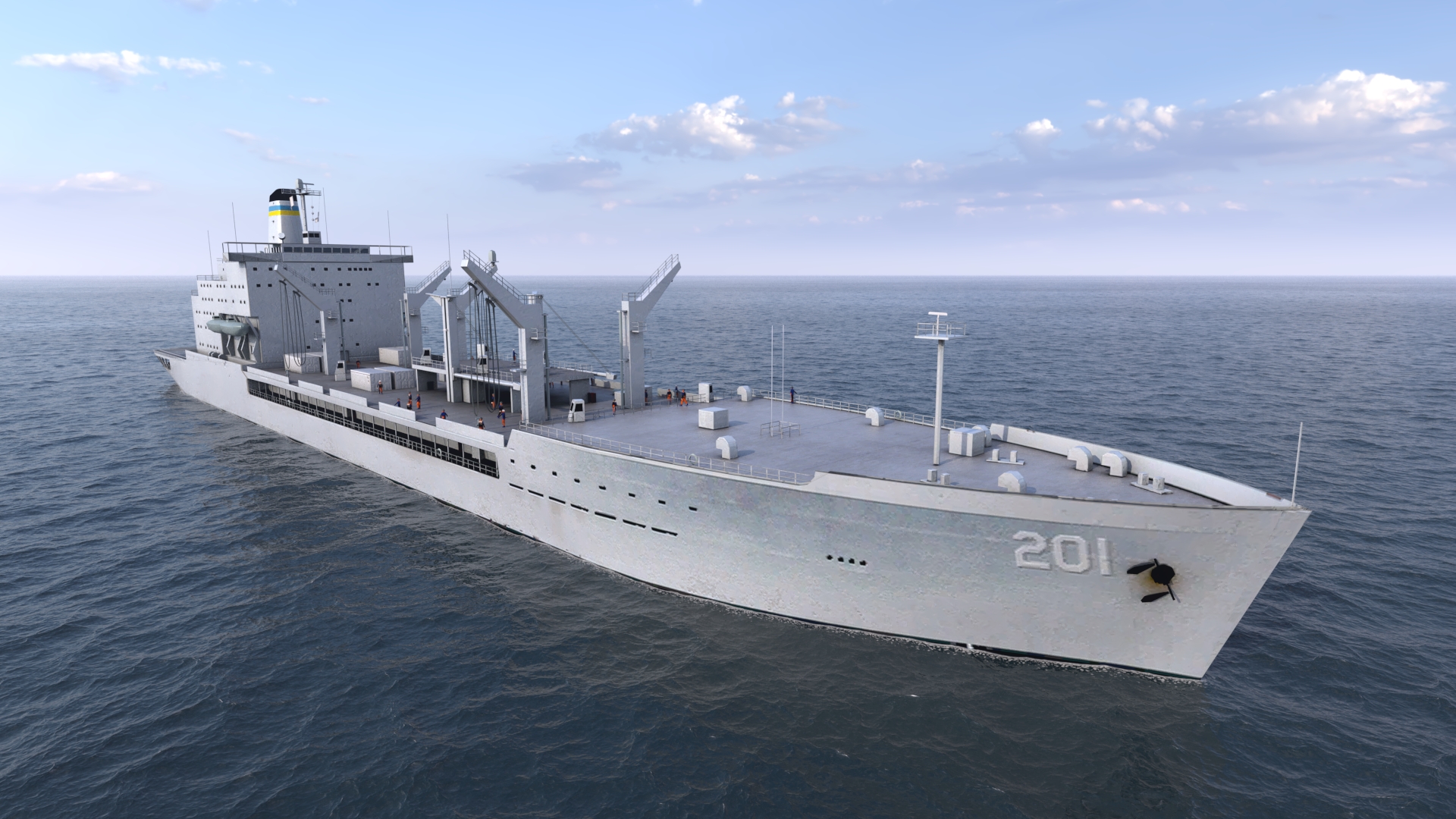
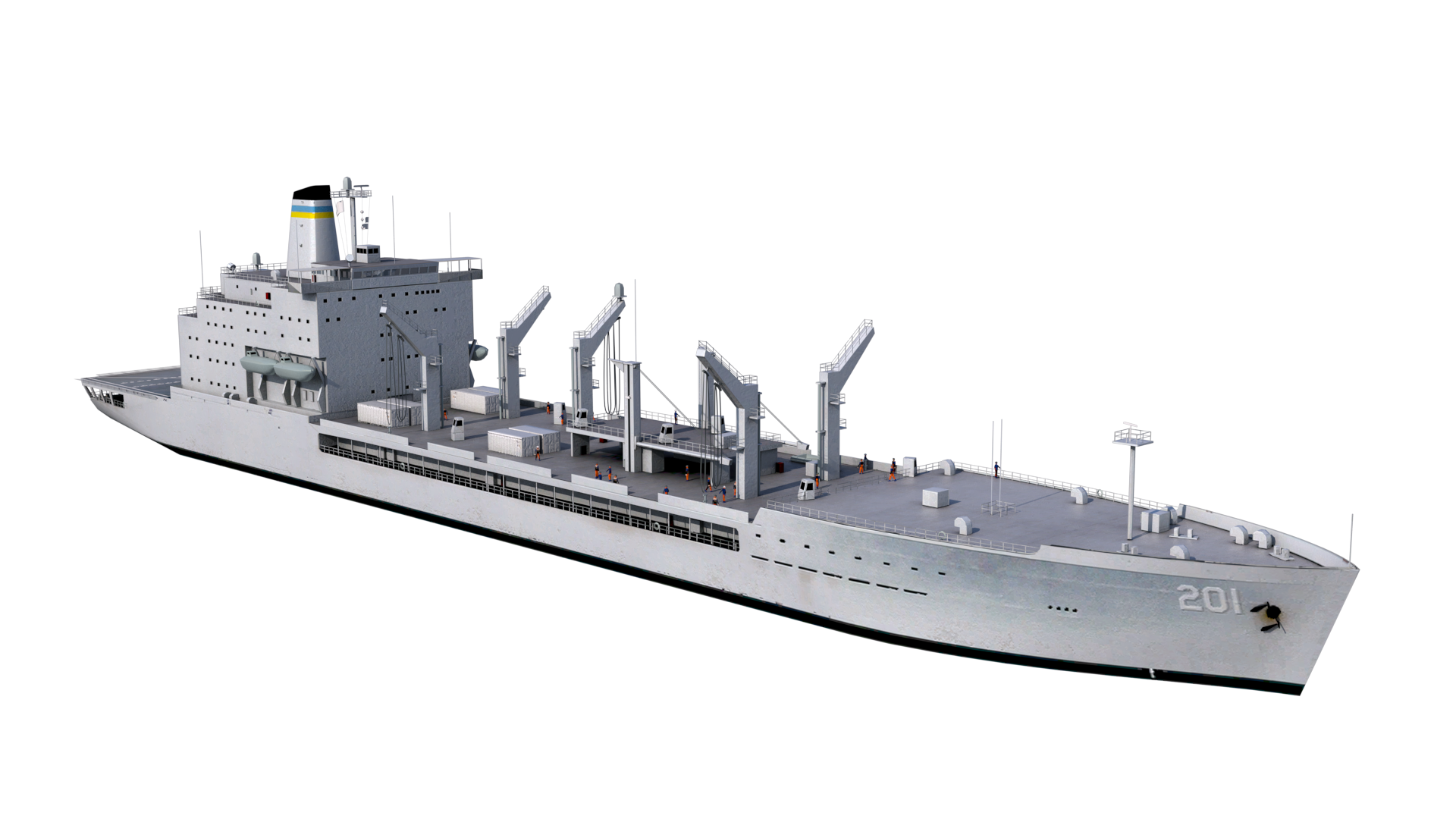
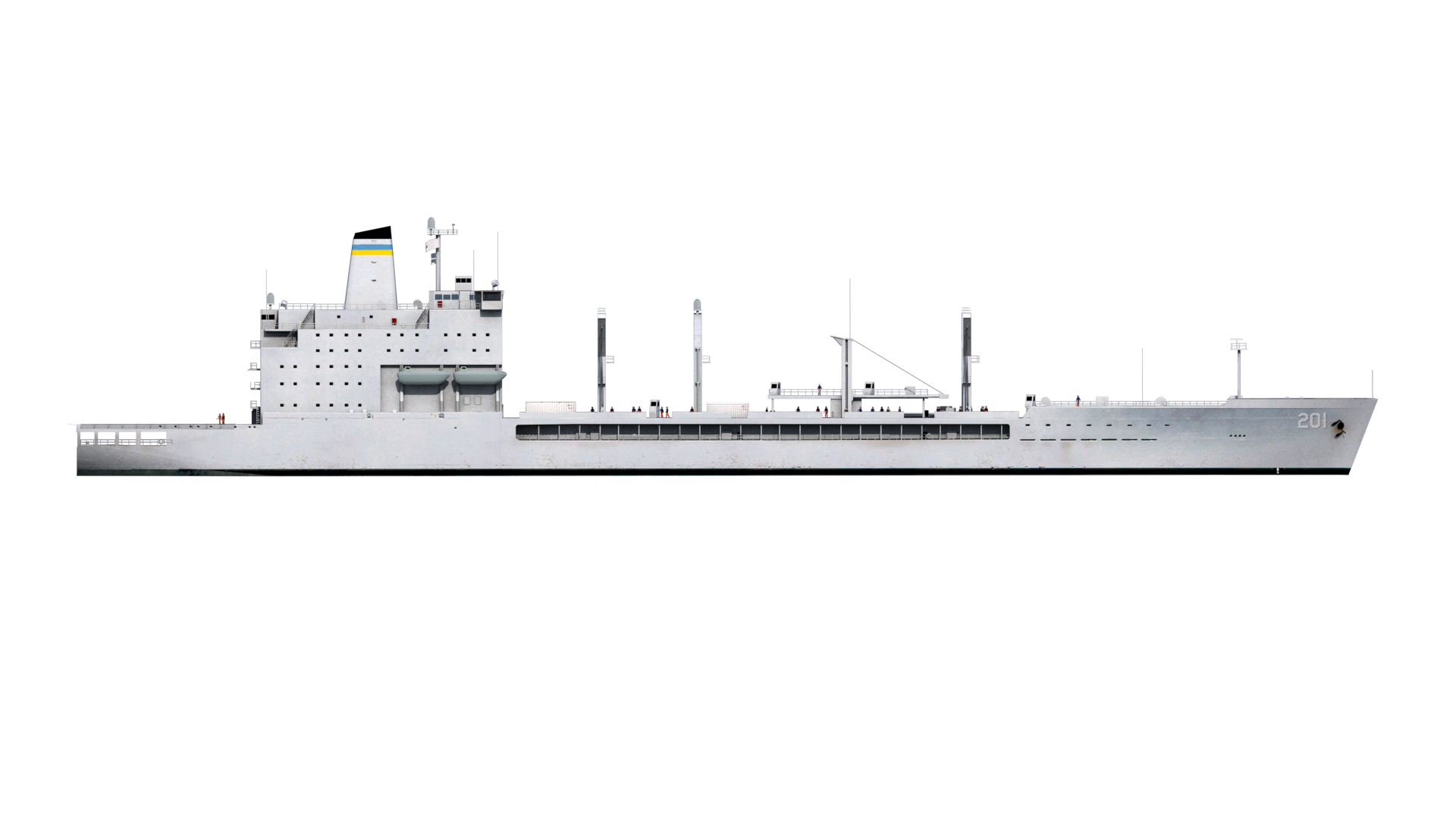
Type: Fleet Replenishment Oiler (Henry J. Kaiser-class)
Length Overall (LOA): 206.5 meters
Beam (Width): 29.7 meters
Draft: 11 meters (Full load)
Cargo Capacity: Approximately 180,000 barrels of fuel oil and jet fuel, plus dry cargo and refrigerated stores
Main Function: Underway Replenishment (UNREP) providing fuel, stores, and equipment to warships at sea
Transfer Systems: Equipped with multiple refueling and cargo transfer stations (RAS/FAS masts) on both sides
Aviation Facilities: Large helicopter landing deck for Vertical Replenishment (VERTREP) operations
Speed: 20 knots
Operator: U.S. Navy Military Sealift Command (MSC)
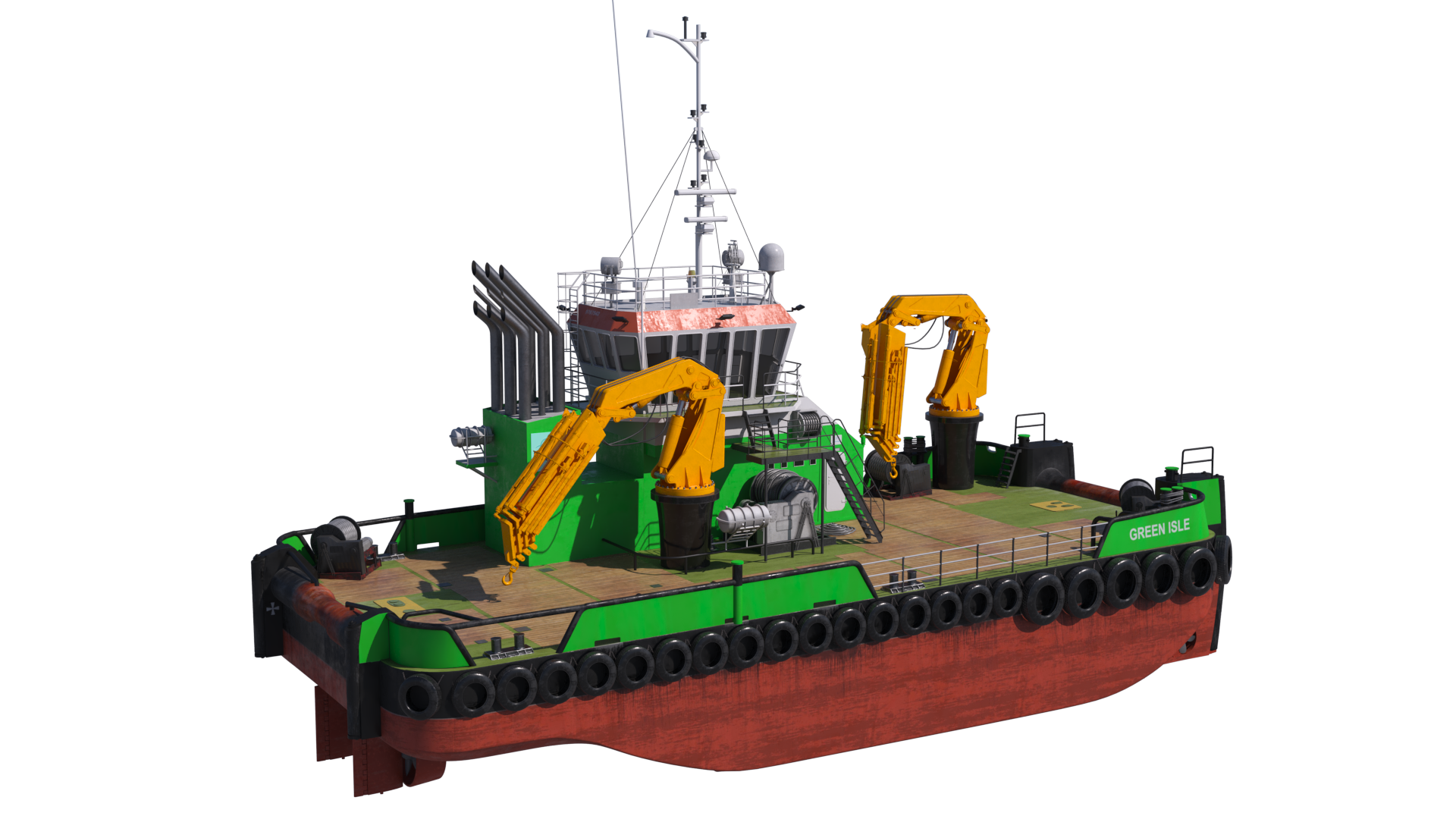
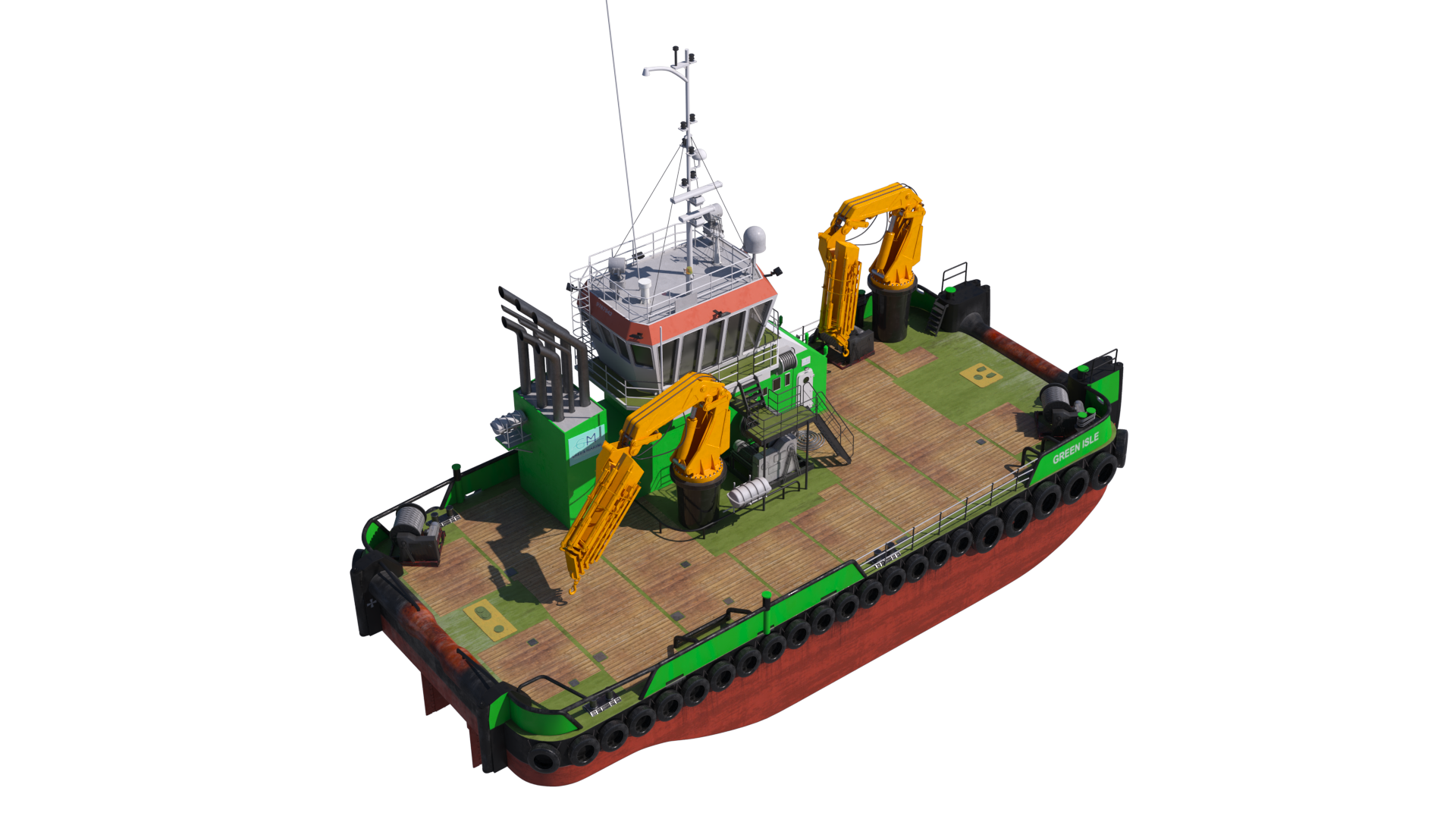
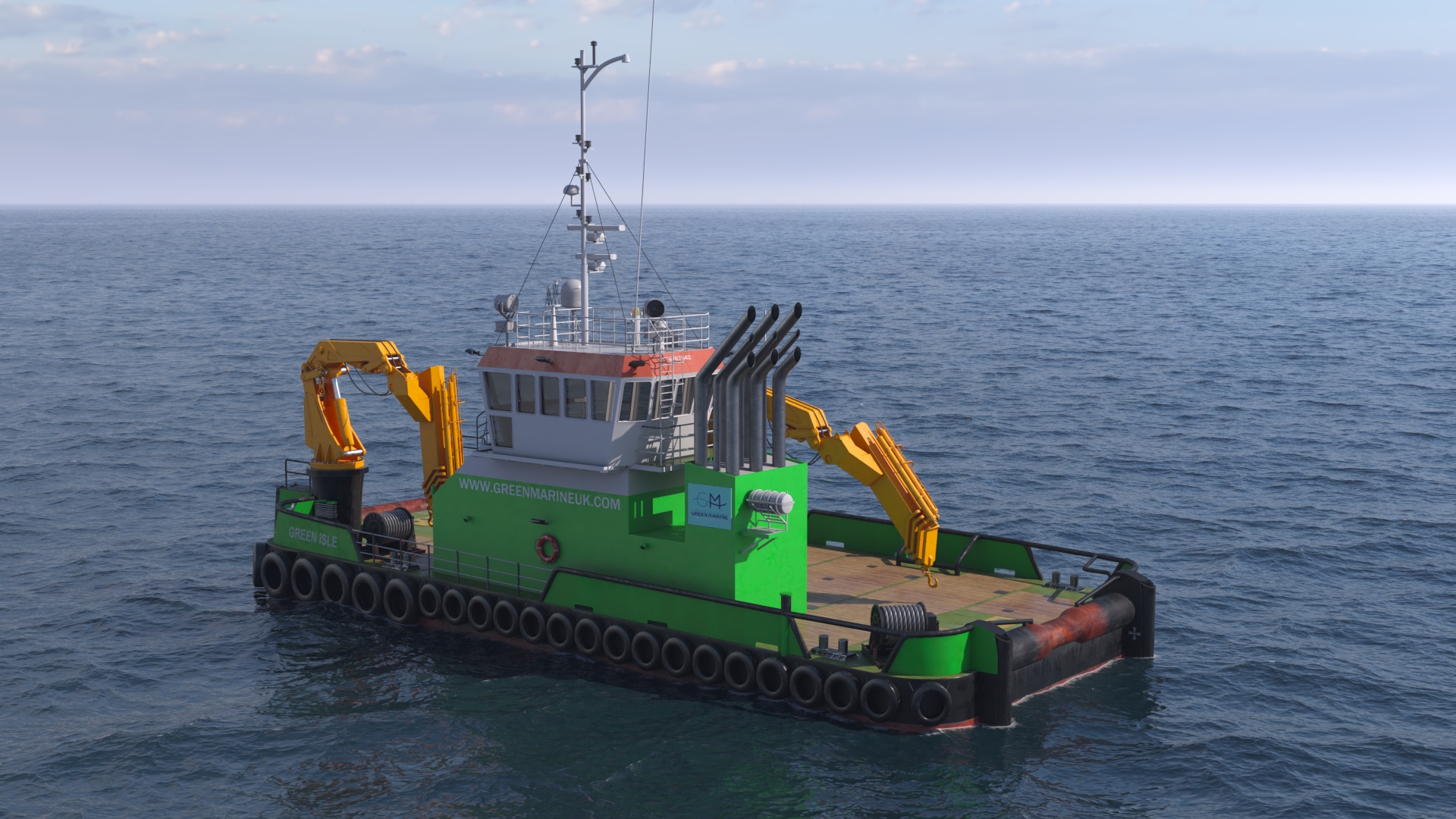
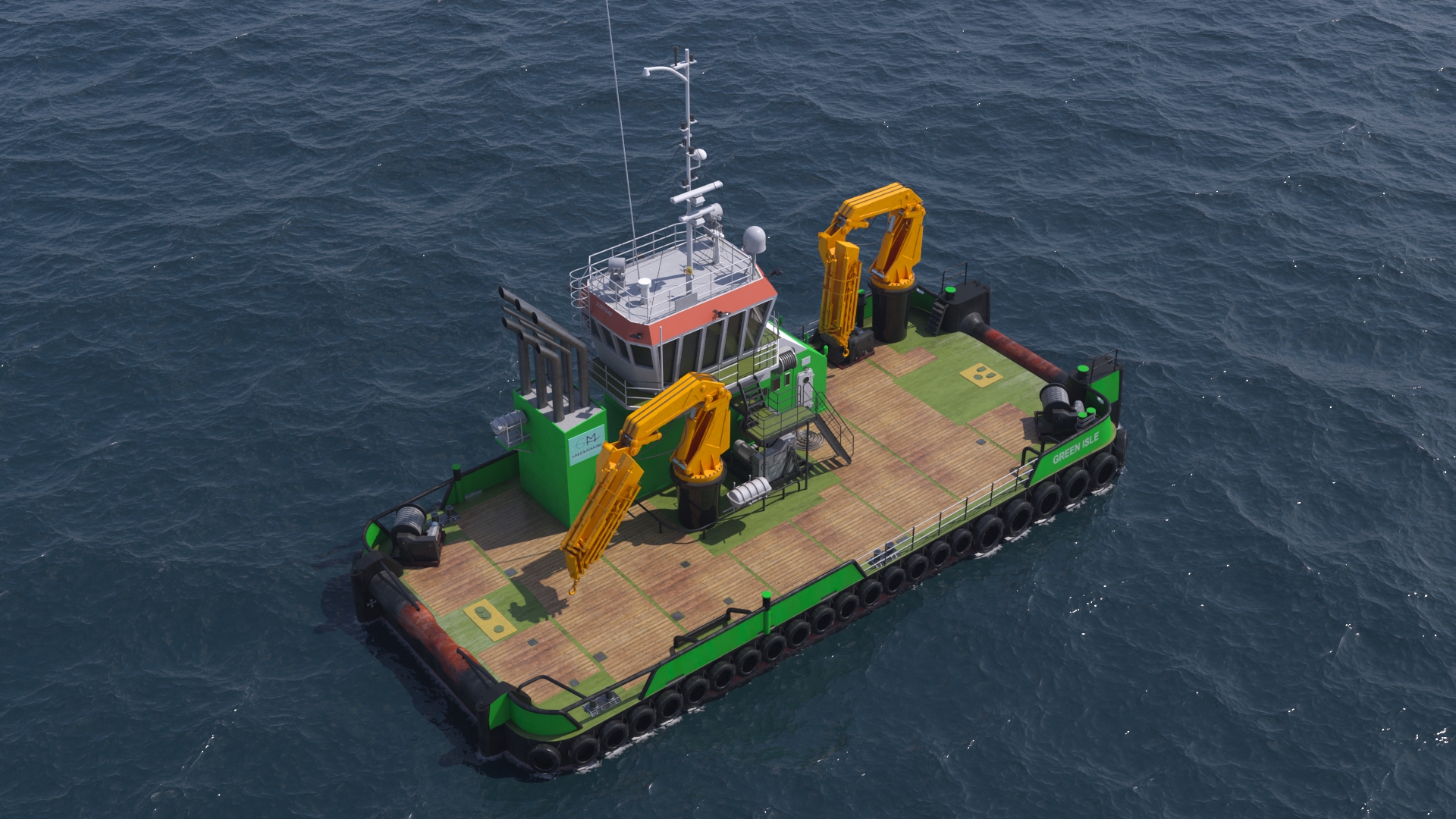
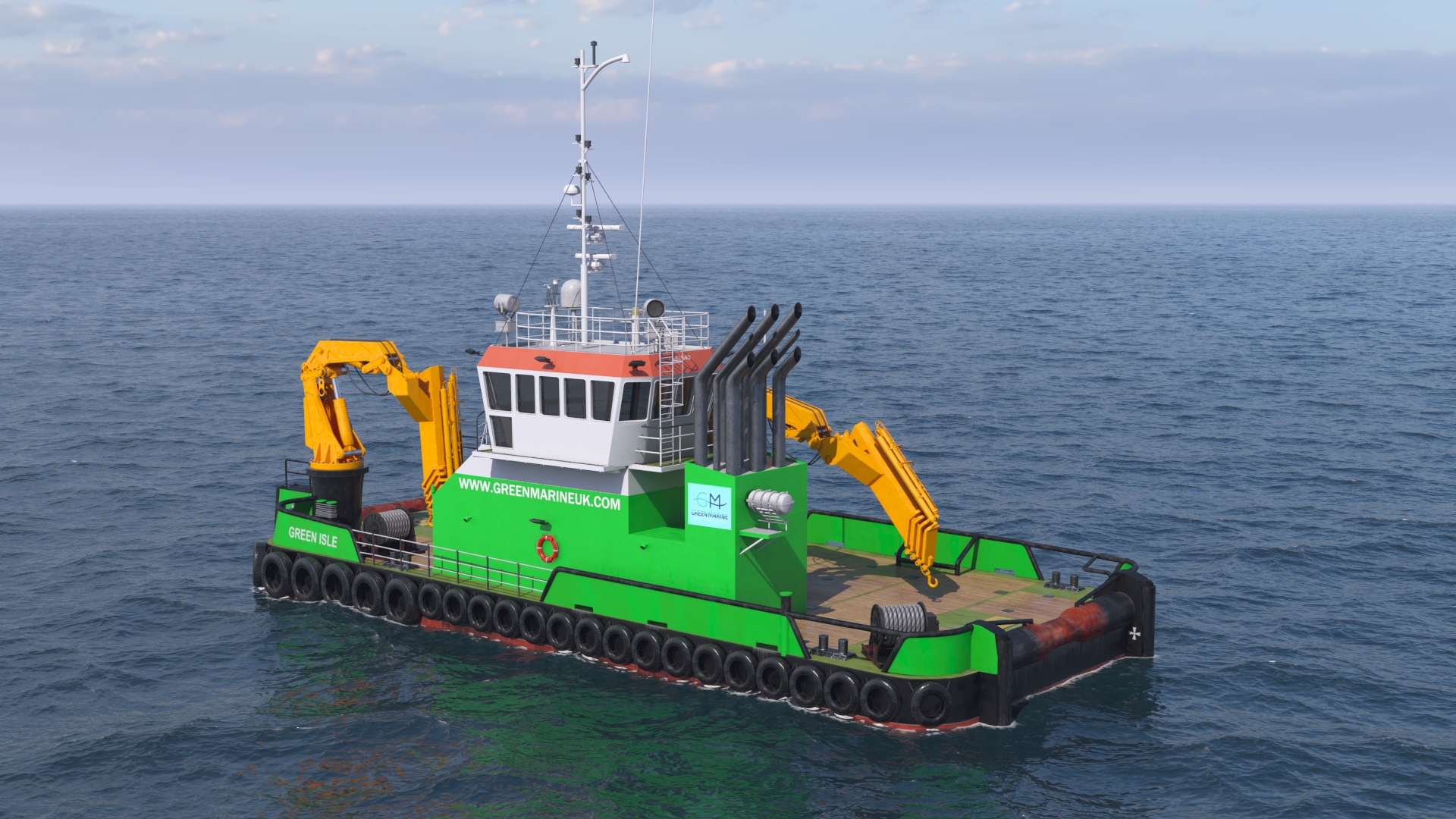
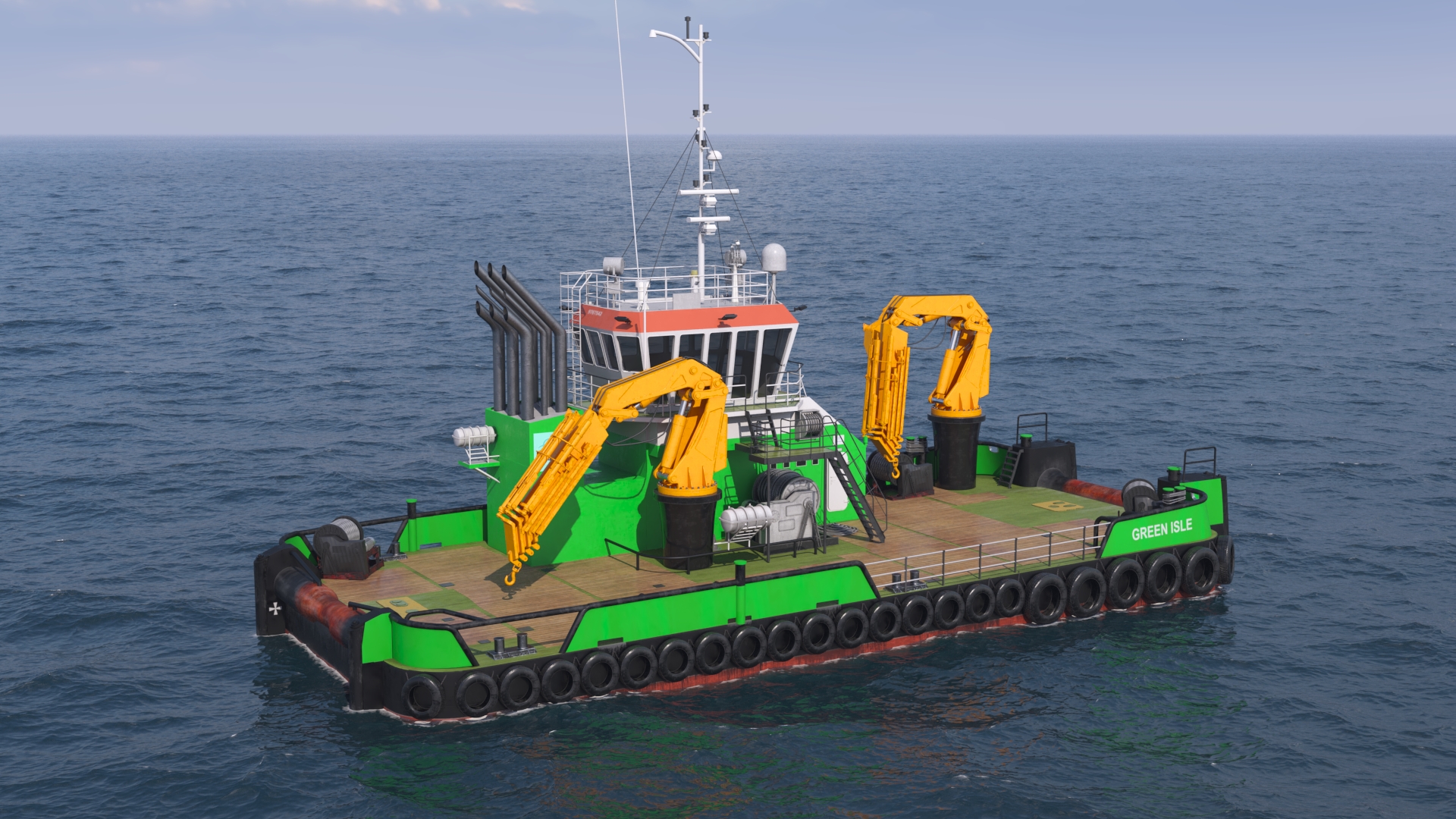
GREEN-MARINE-Green Isle – Damen Multi Cat 2712
Type: Multipurpose Workboat (Multi Cat)
Length Overall (LOA): 27.27 meters
Beam (Width): 12.50 meters
Draft: ~2.85 meters
Bollard Pull: ~35 tons
Crane Capacity: Equipped with two powerful hydraulic knuckle-boom cranes (forward and aft)
Main Function: Anchor handling, dredging support, towing, supply of fuel/water, and marine offshore maintenance
Deck Features: Heavy-duty flat work deck designed for versatile offshore operations in shallow and coastal waters
Accommodation: Facilities for up to 7 crew members
Designer/Builder: Damen Shipyards Group
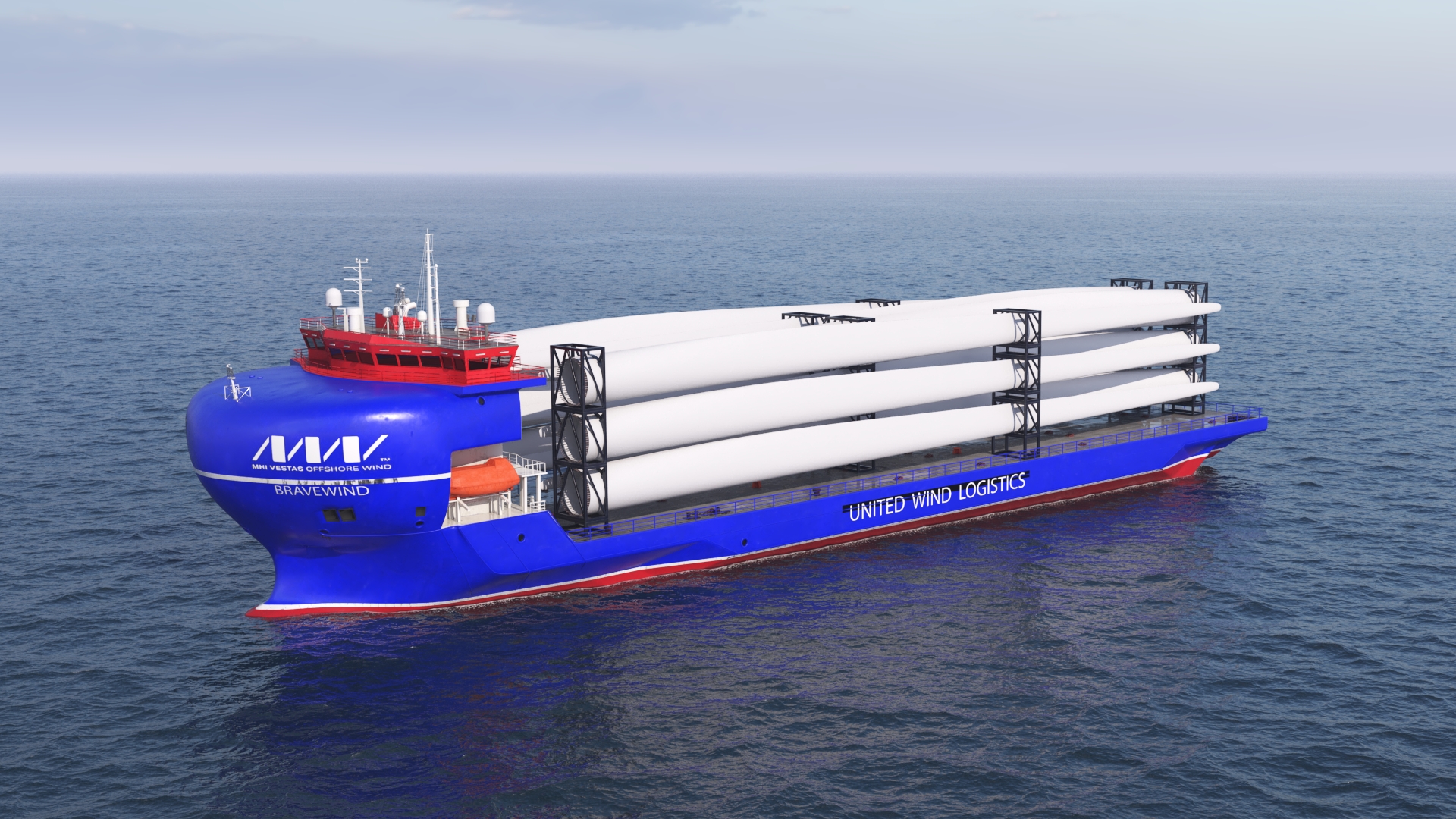
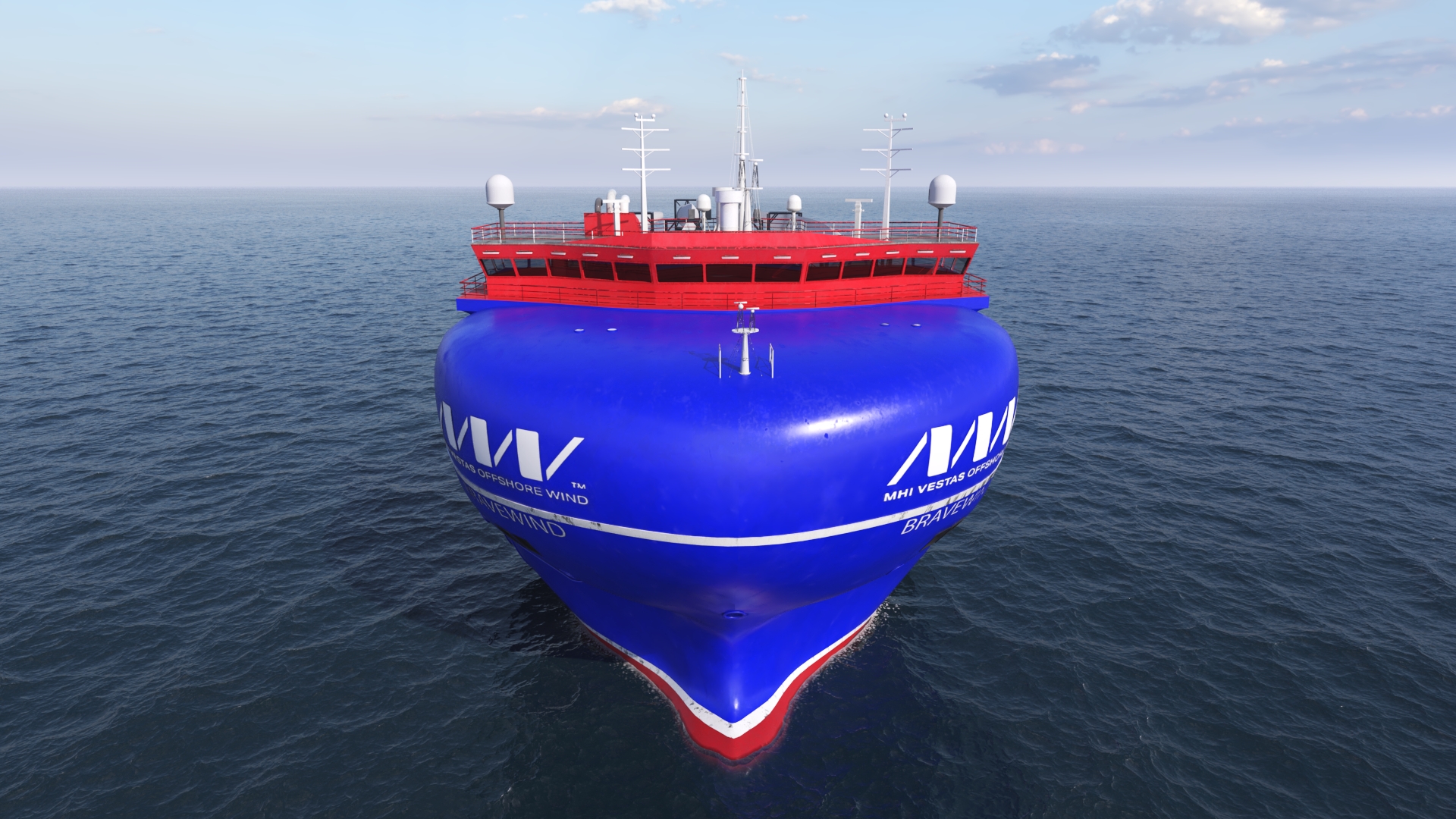
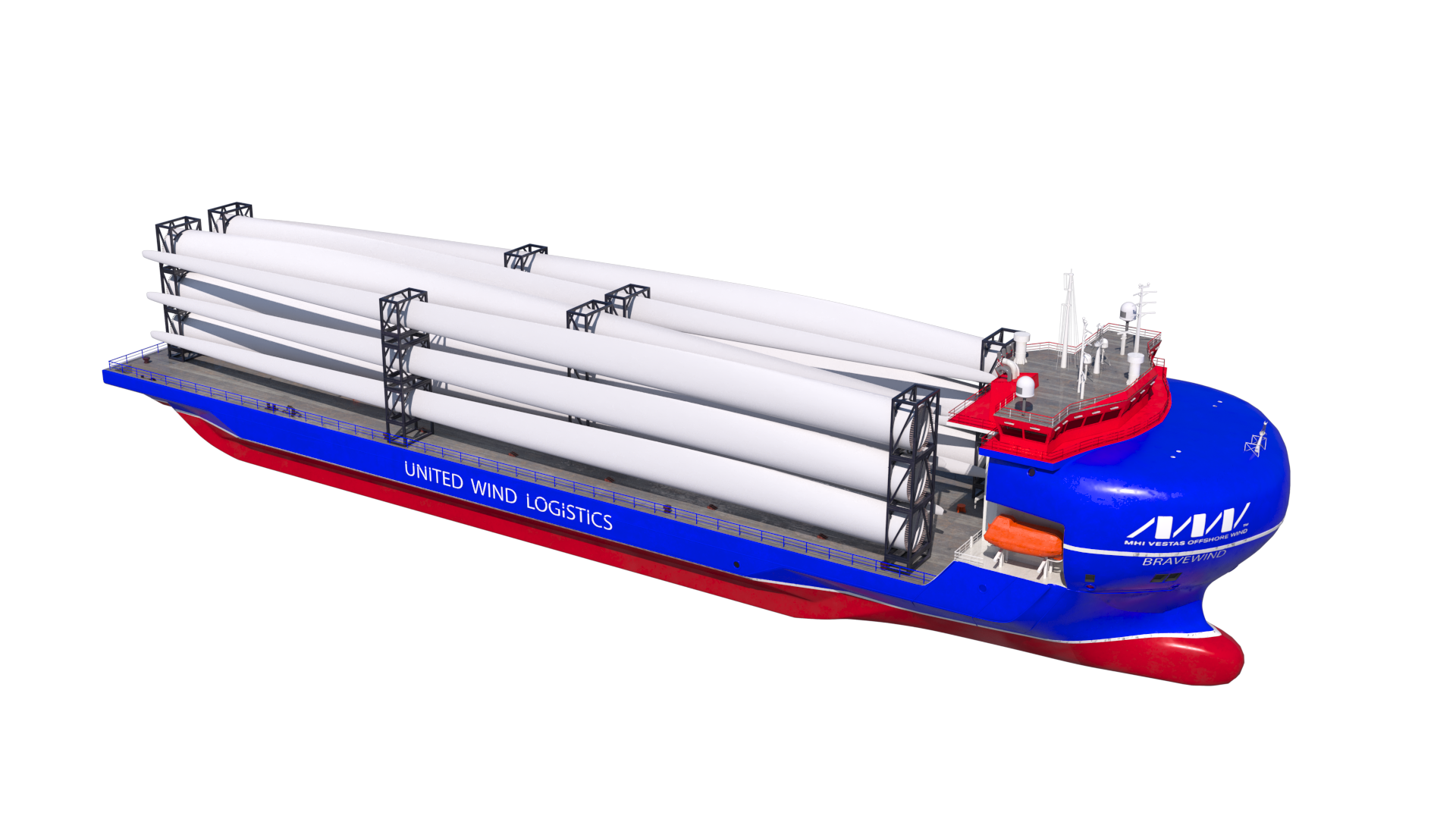
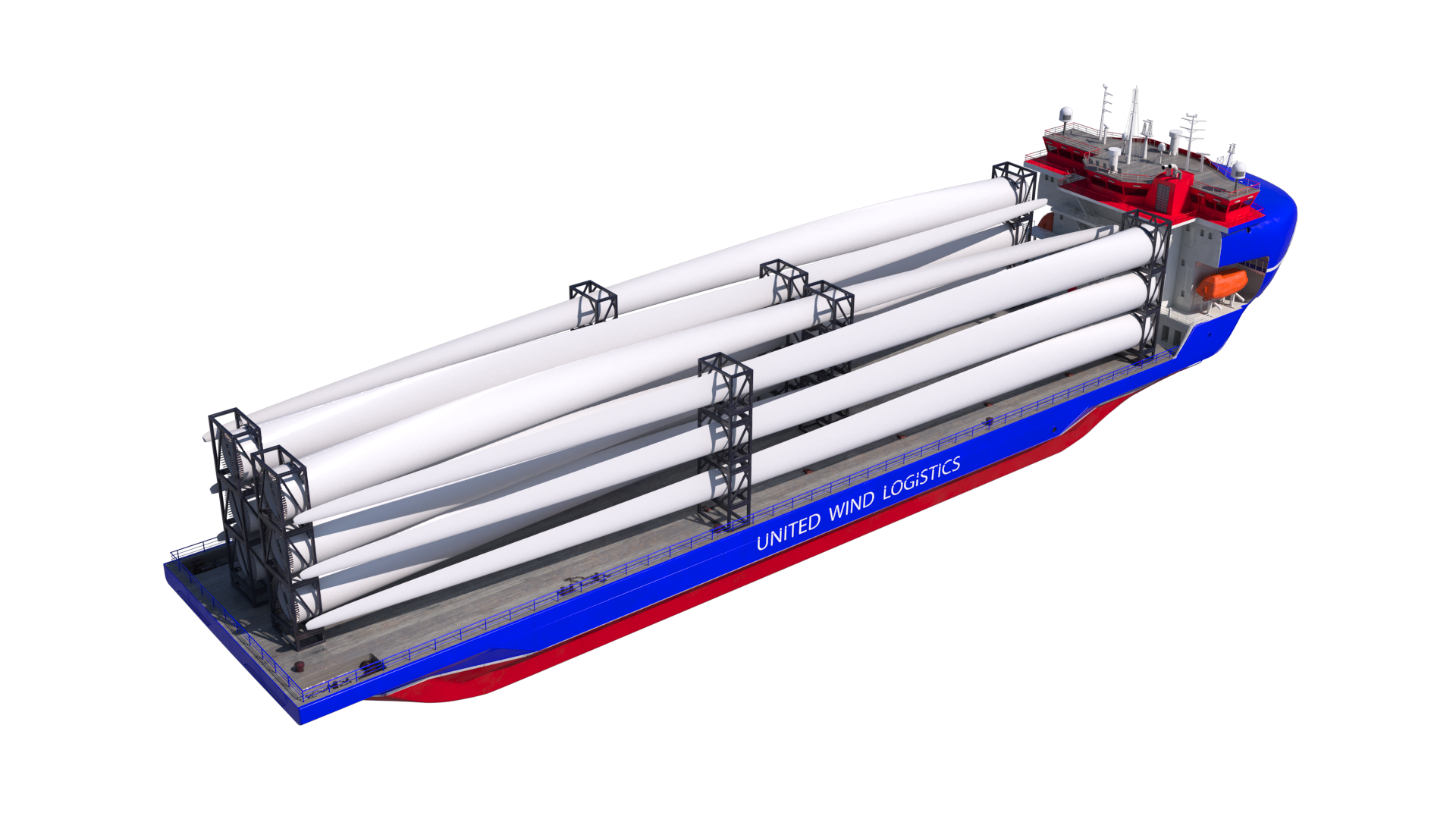
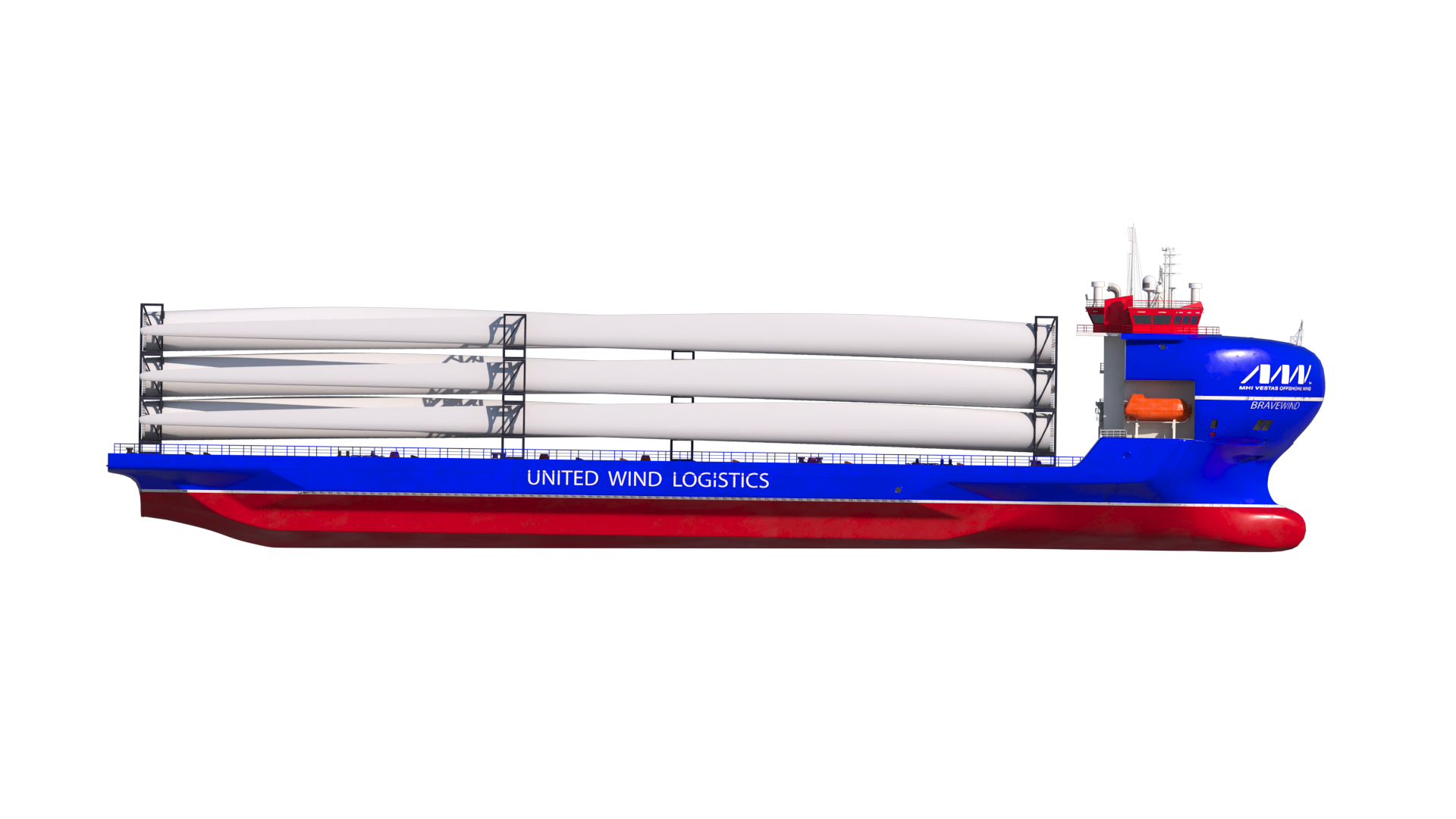
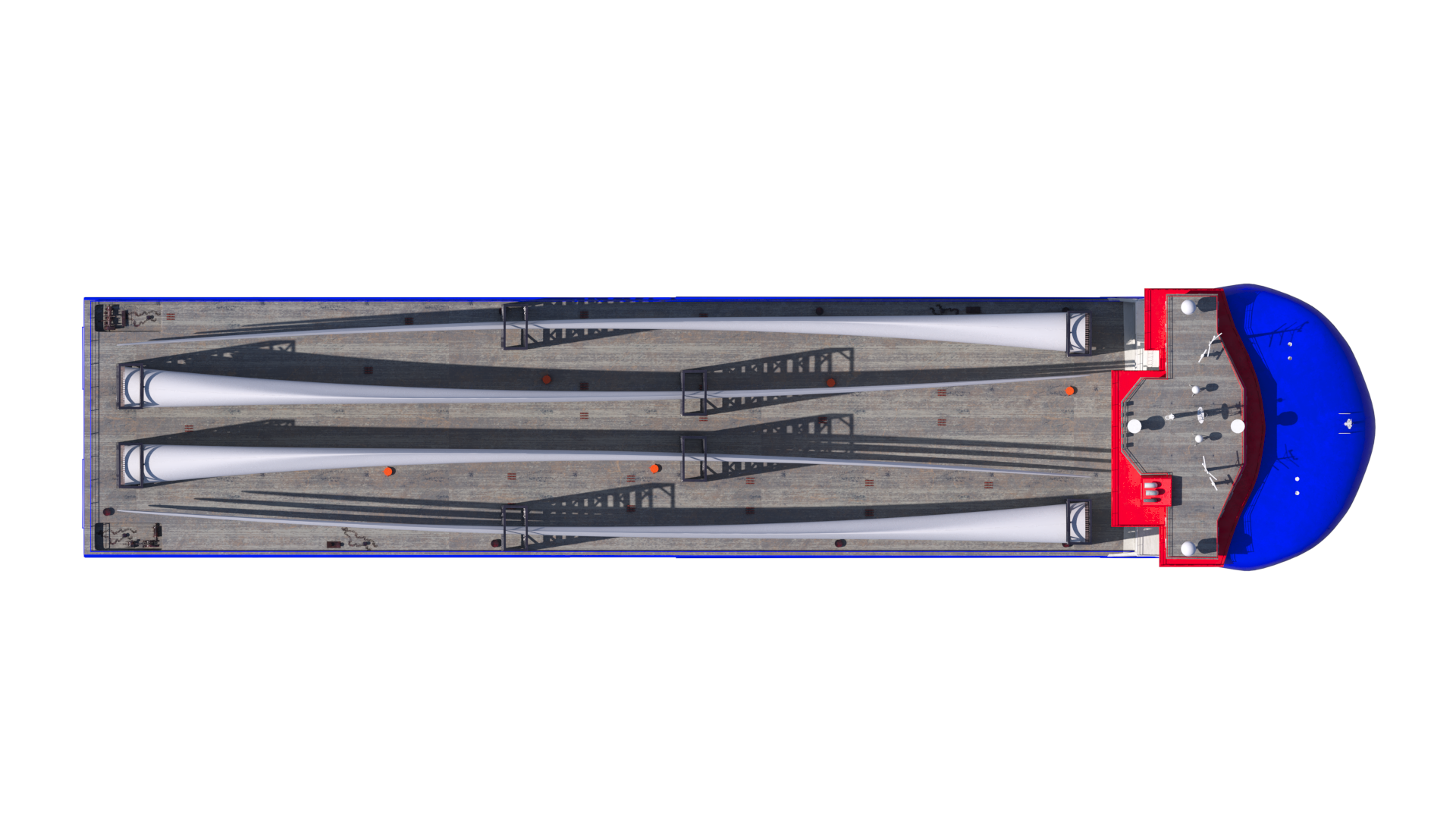
Bravewind – Deck Carrier / Wind Component Vessel
Type: Purpose-built Open Deck Carrier for the offshore wind industry
Length Overall (LOA): 148.5 meters
Beam (Width): 28 meters
Draft: ~5 meters (Designed for shallow water port access)
Deadweight (DWT): ~10,000 tons
Main Function: Specialized transport of wind turbine blades (shown in image), towers, and heavy foundations
Deck Features: A 108-meter long unobstructed, reinforced flat deck for optimized cargo configuration
Propulsion: Highly efficient Diesel-Electric propulsion system for reduced environmental impact
DP System: DP2 (Dynamic Positioning Class 2) for precision station-keeping during operations
Operator: United Wind Logistics (UWL)
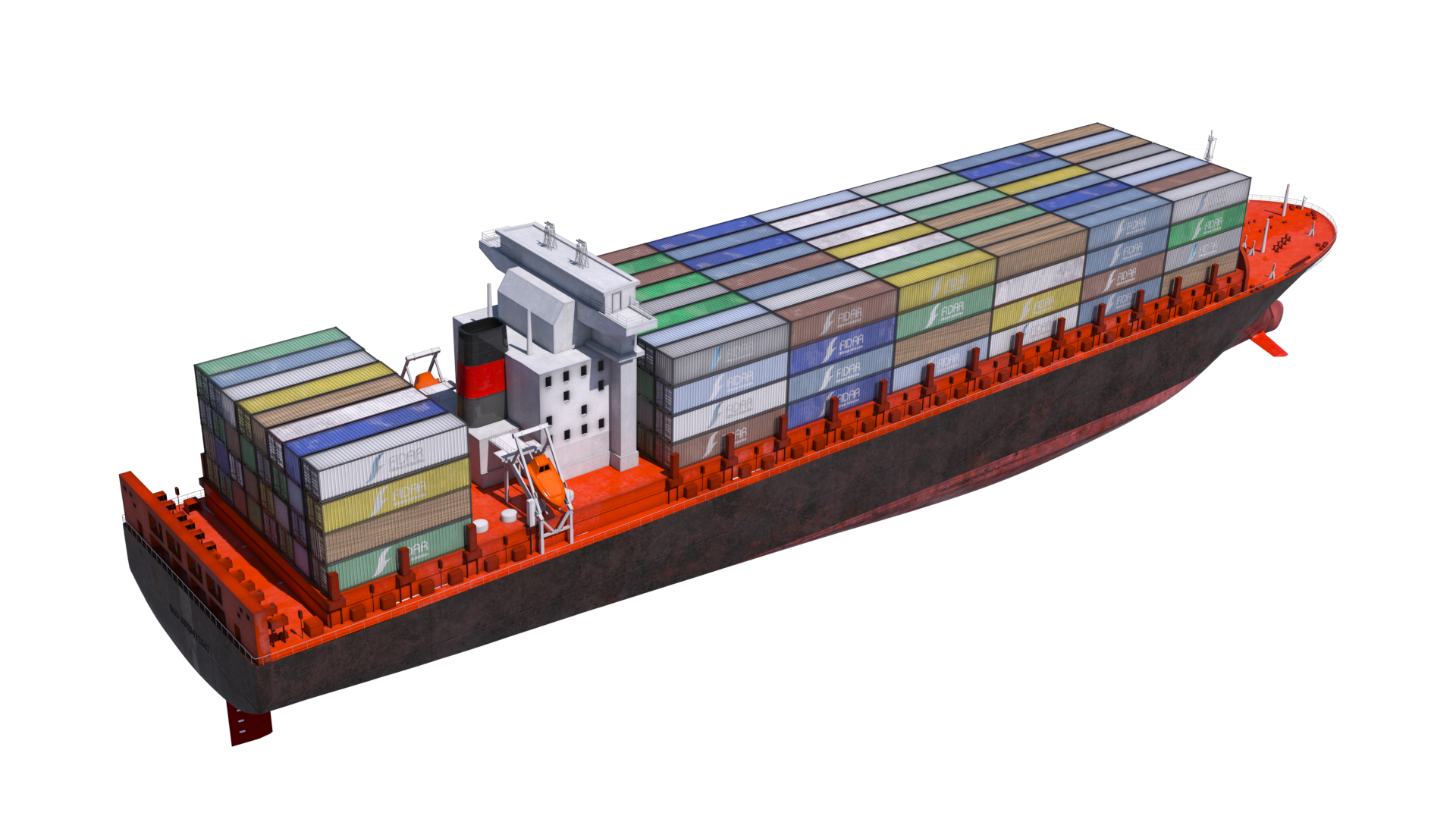
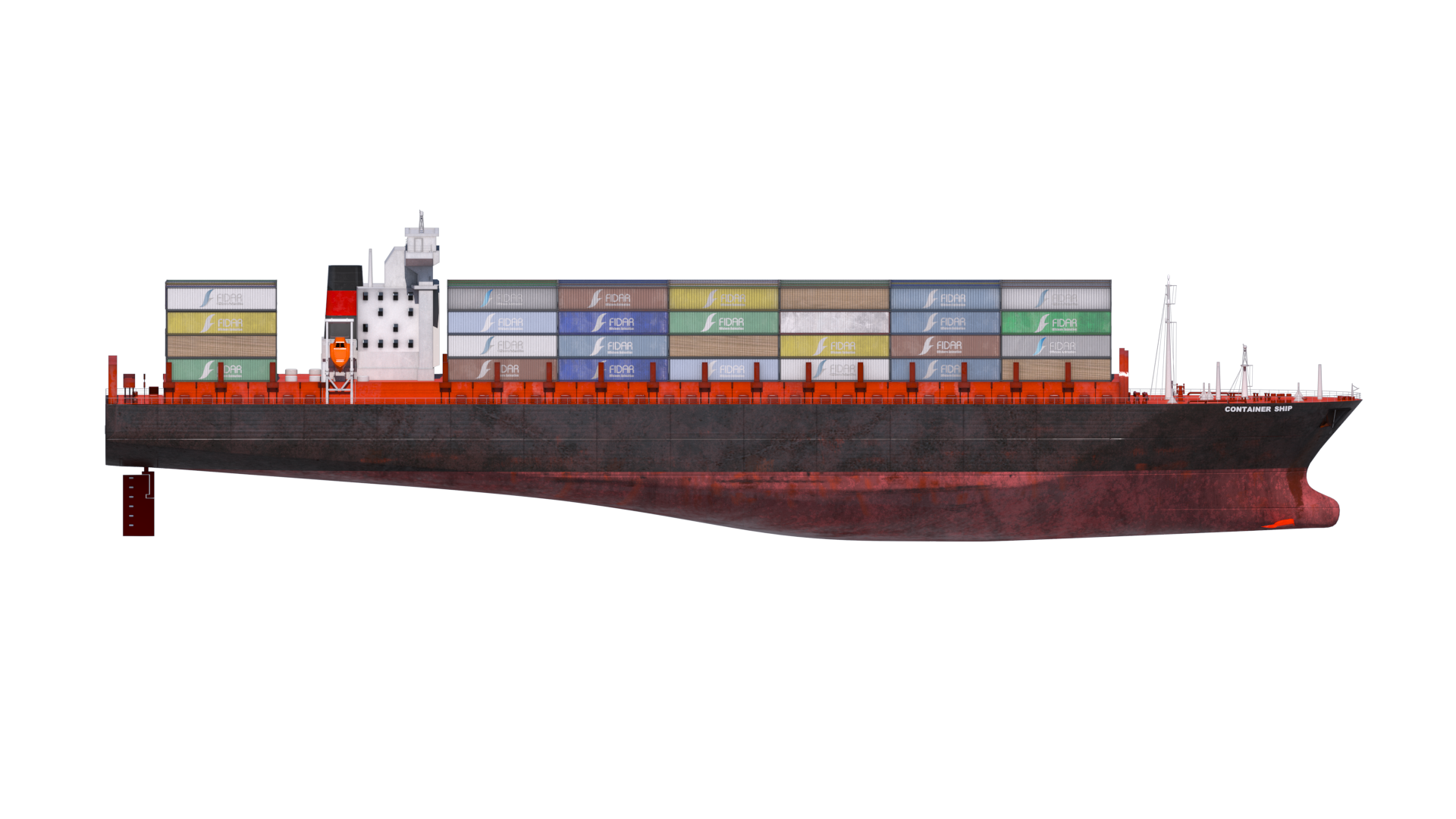
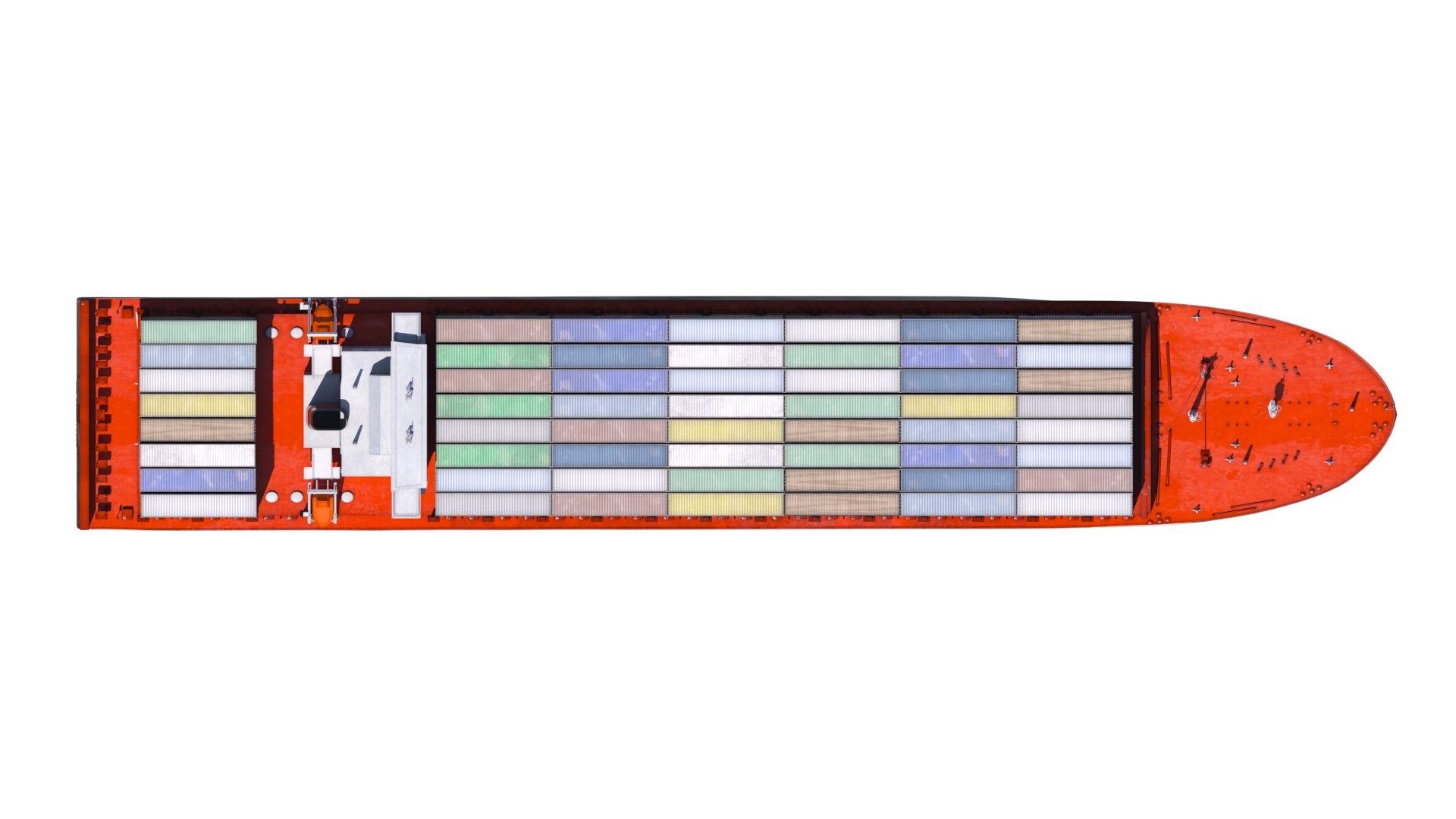
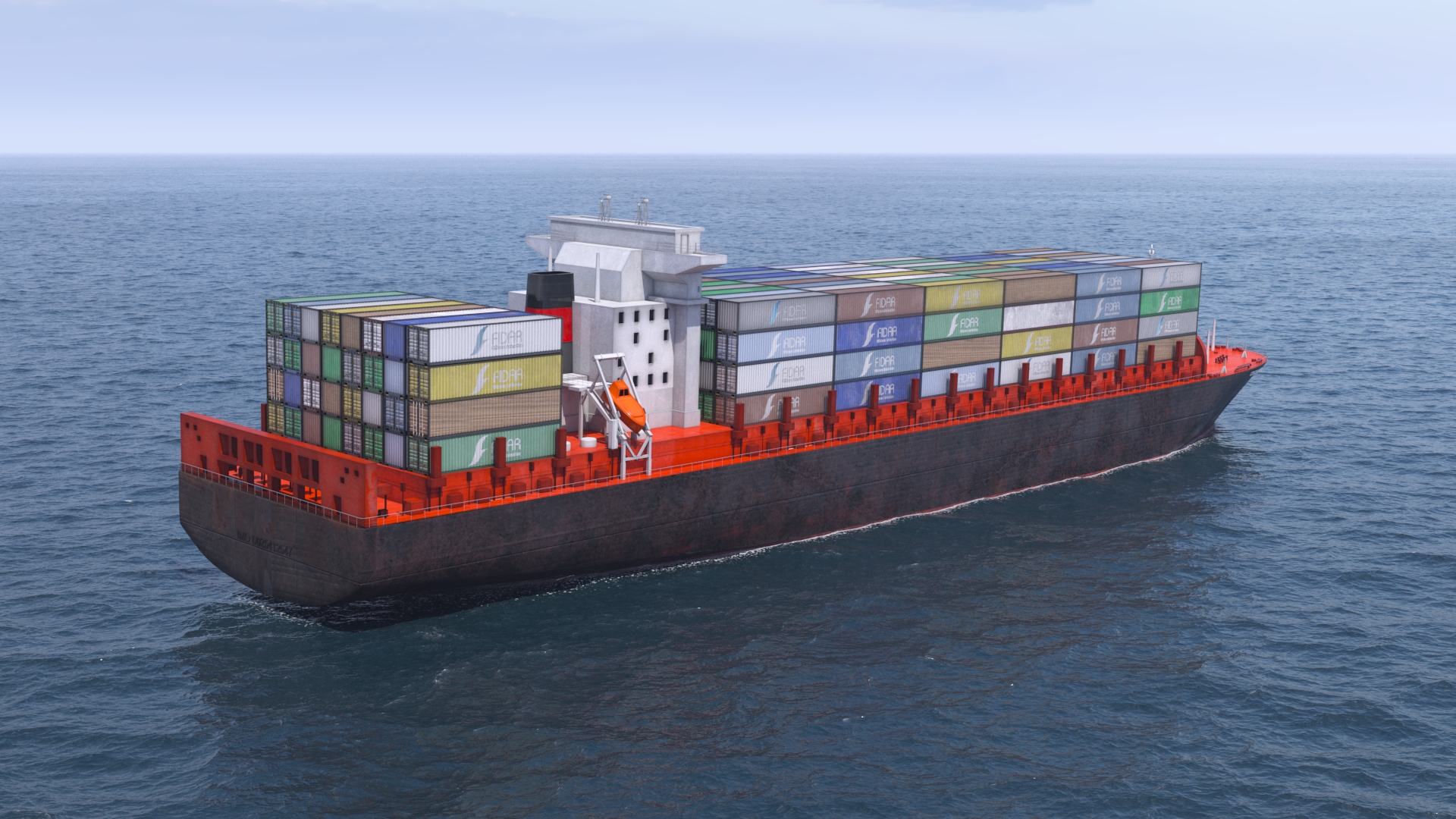
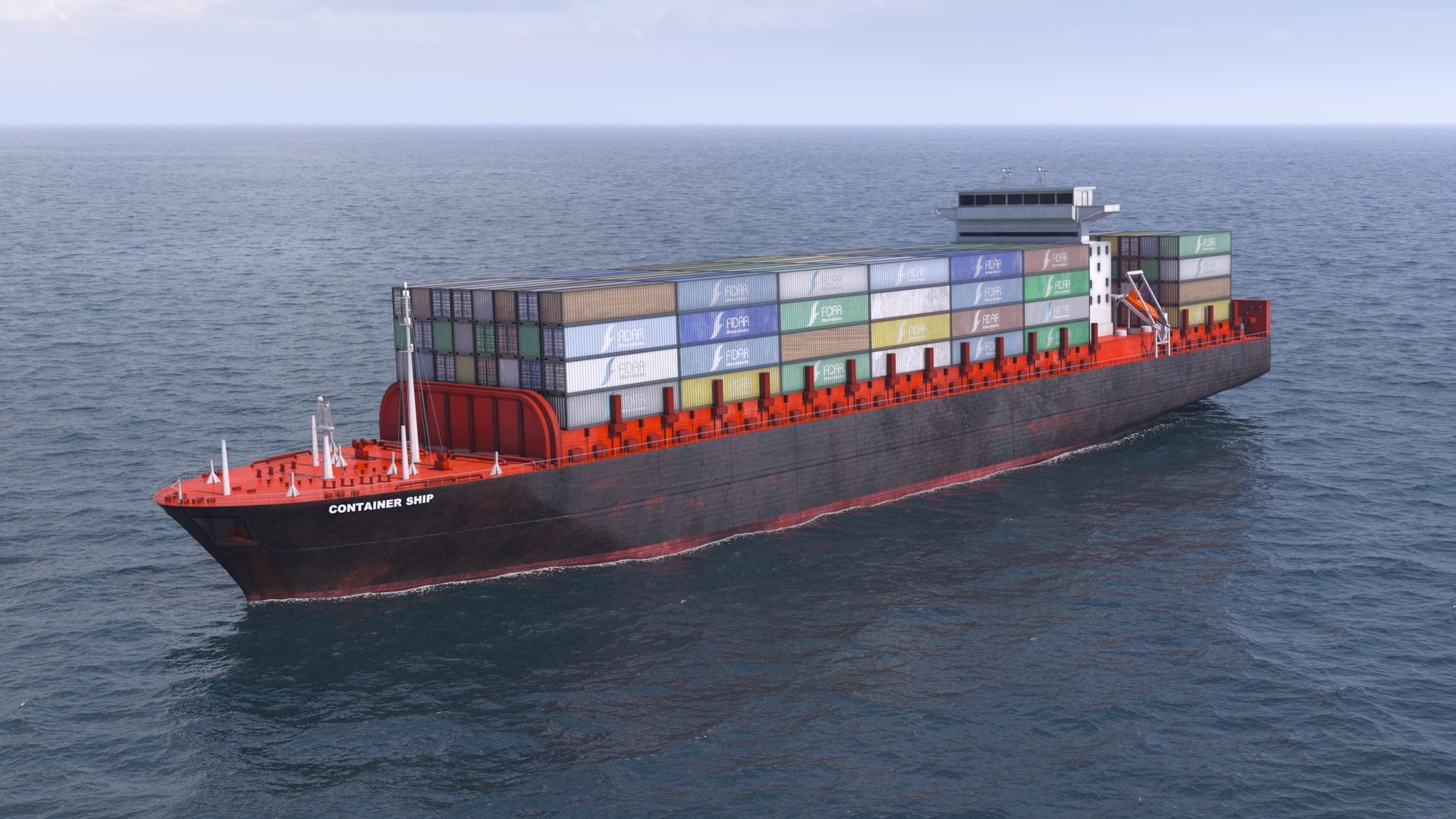
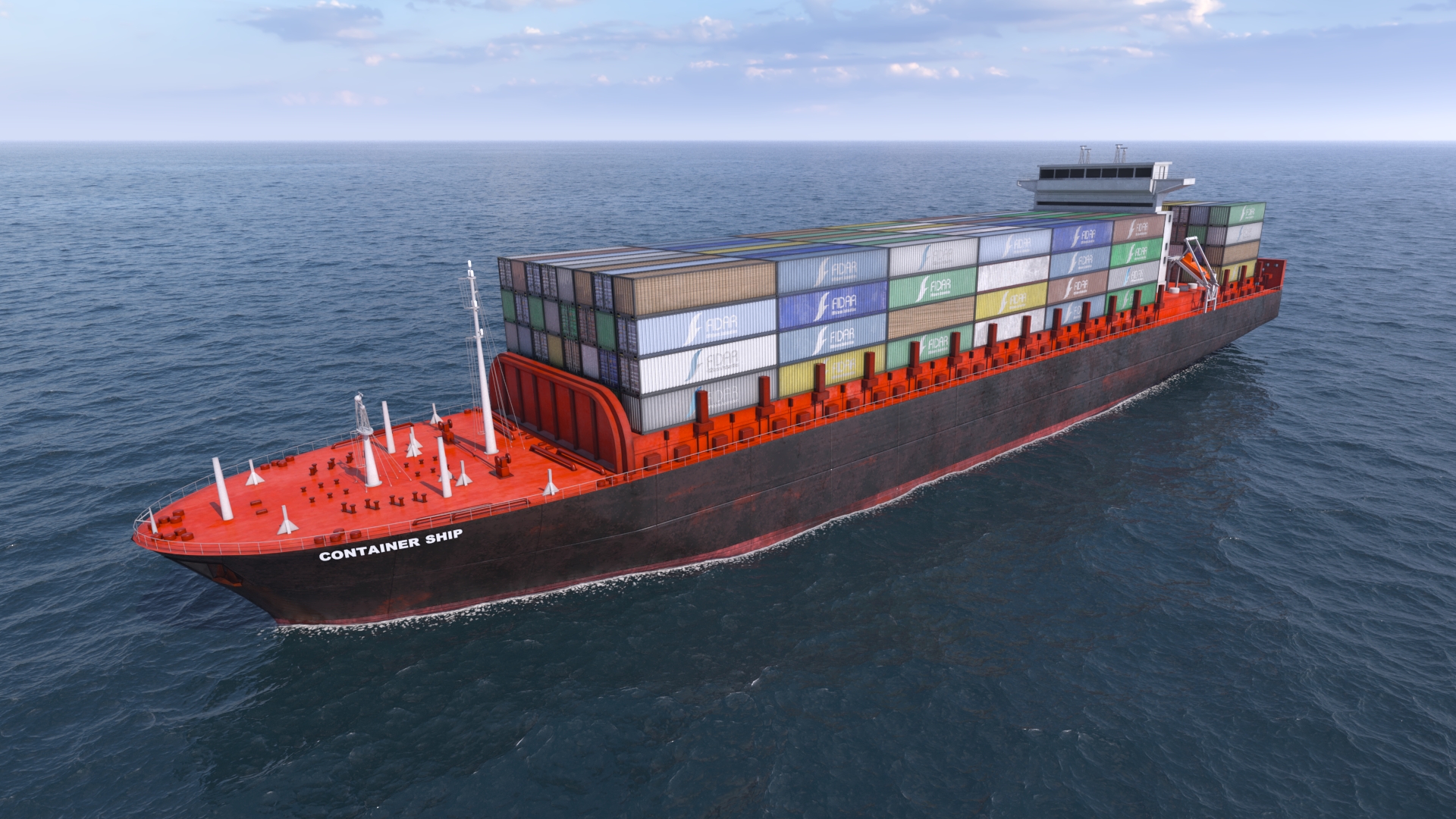
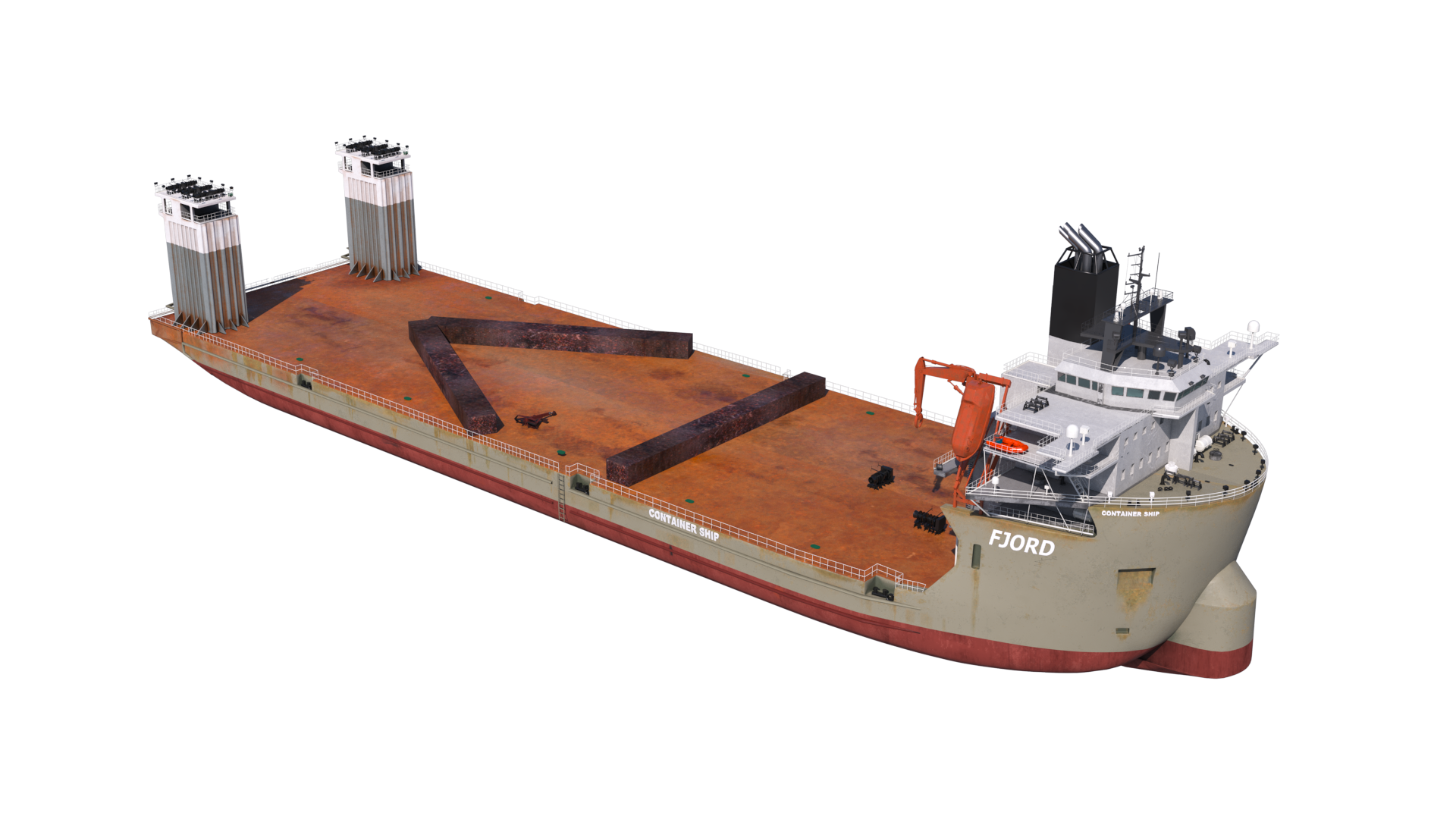
Container Ship
Type: Purpose-built Open Deck Carrier for the offshore wind industry
Length Overall (LOA): 148.5 meters
Beam (Width): 28 meters
Draft: ~5 meters (Designed for shallow water port access)
Deadweight (DWT): ~10,000 tons
Main Function: Specialized transport of wind turbine blades (shown in image), towers, and heavy foundations
Deck Features: A 108-meter long unobstructed, reinforced flat deck for optimized cargo configuration
Propulsion: Highly efficient Diesel-Electric propulsion system for reduced environmental impact
DP System: DP2 (Dynamic Positioning Class 2) for precision station-keeping during operations
Operator: United Wind Logistics (UWL)
Container Ship
Type: Purpose-built Open Deck Carrier for the offshore wind industry
Length Overall (LOA): 148.5 meters
Beam (Width): 28 meters
Draft: ~5 meters (Designed for shallow water port access)
Deadweight (DWT): ~10,000 tons
Main Function: Specialized transport of wind turbine blades (shown in image), towers, and heavy foundations
Deck Features: A 108-meter long unobstructed, reinforced flat deck for optimized cargo configuration
Propulsion: Highly efficient Diesel-Electric propulsion system for reduced environmental impact
DP System: DP2 (Dynamic Positioning Class 2) for precision station-keeping during operations
Operator: United Wind Logistics (UWL)
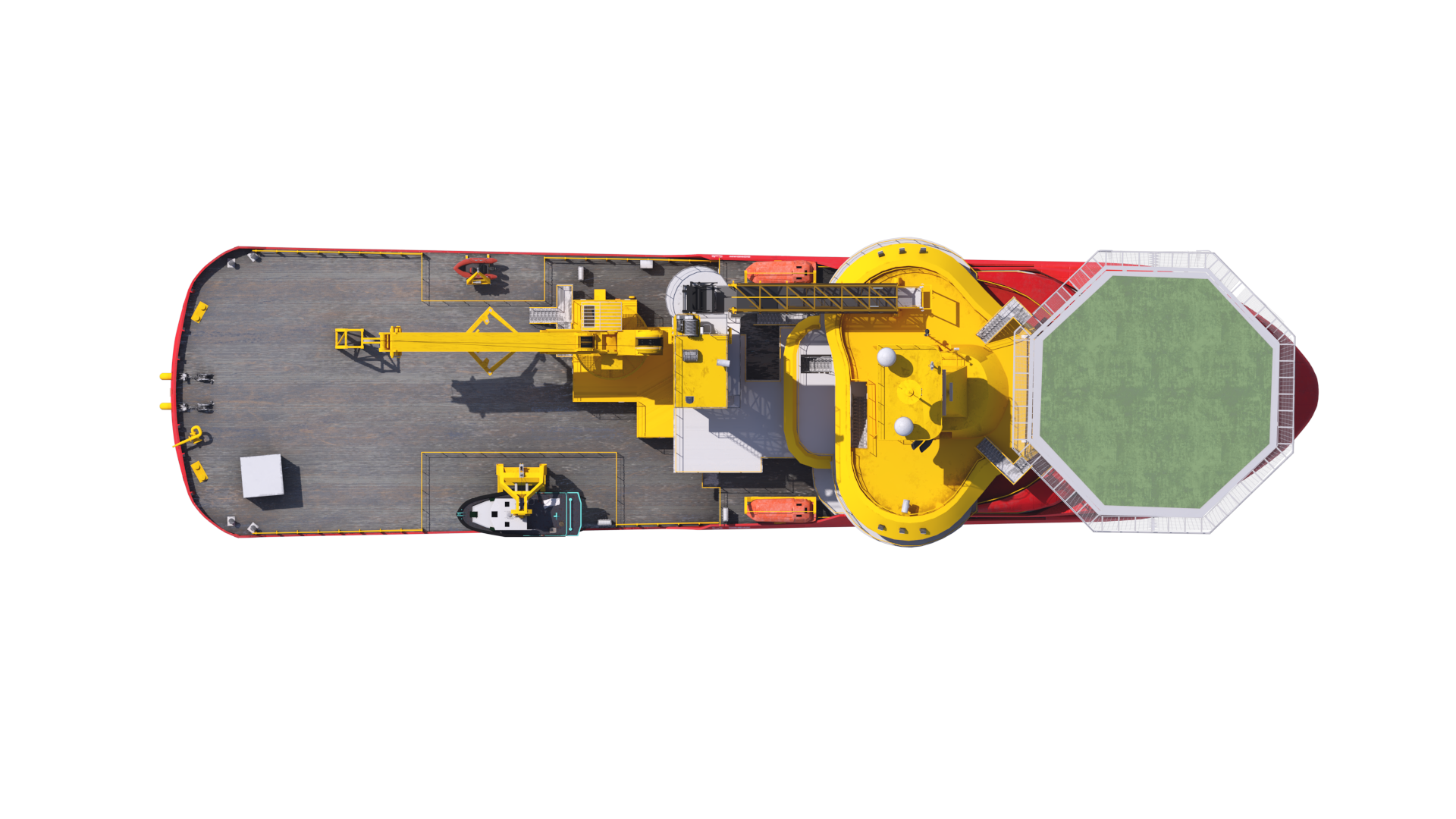
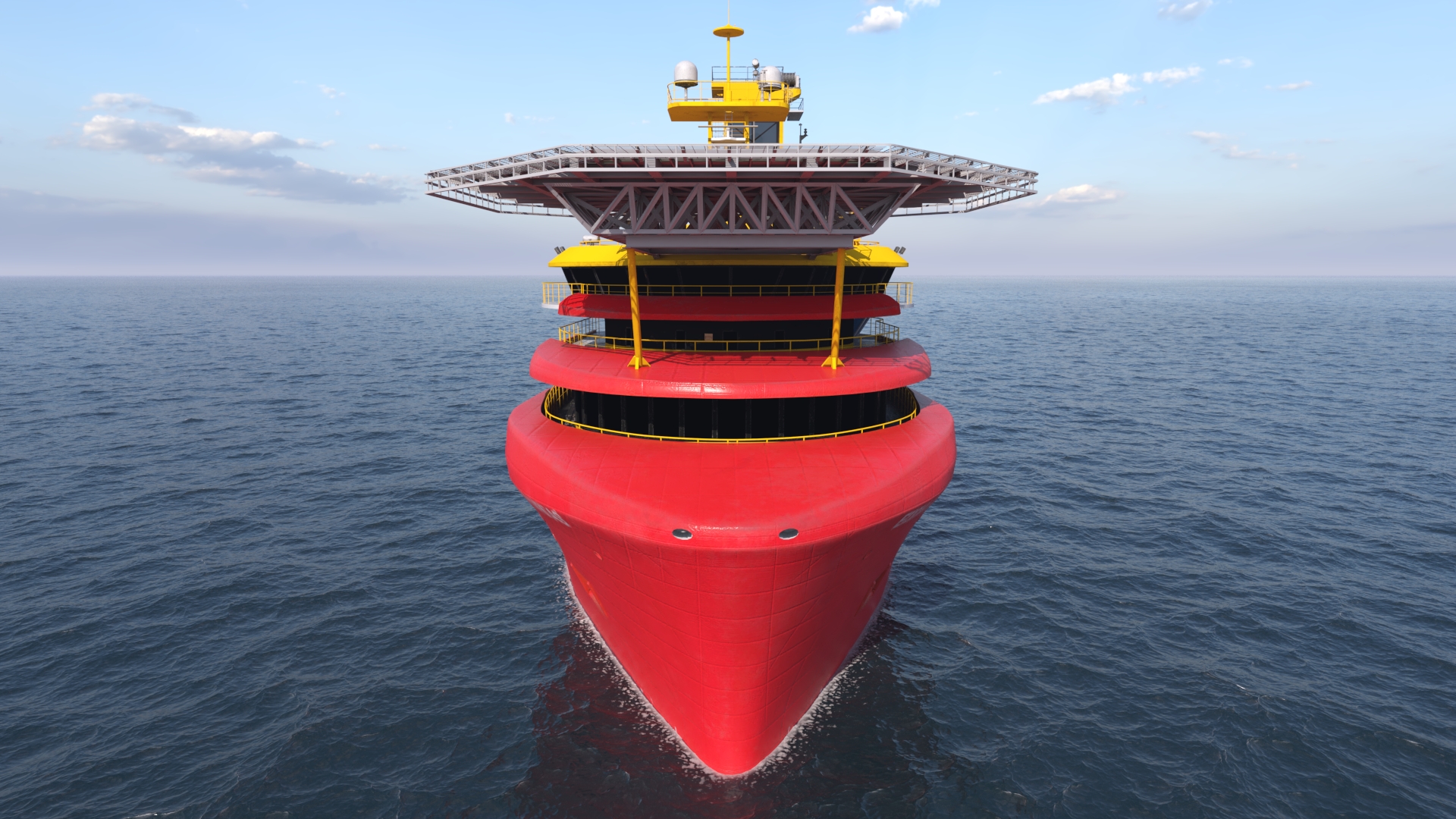
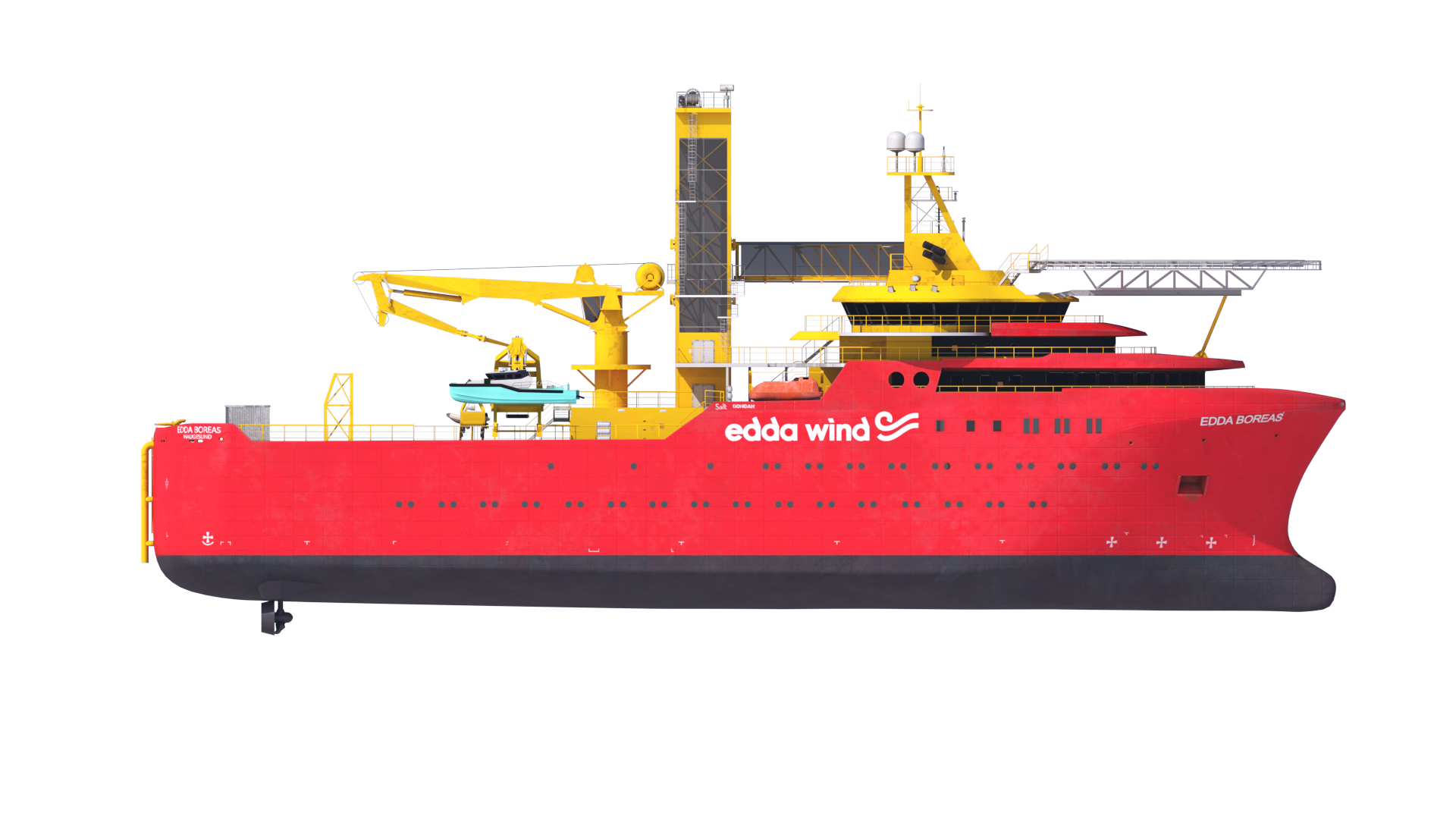
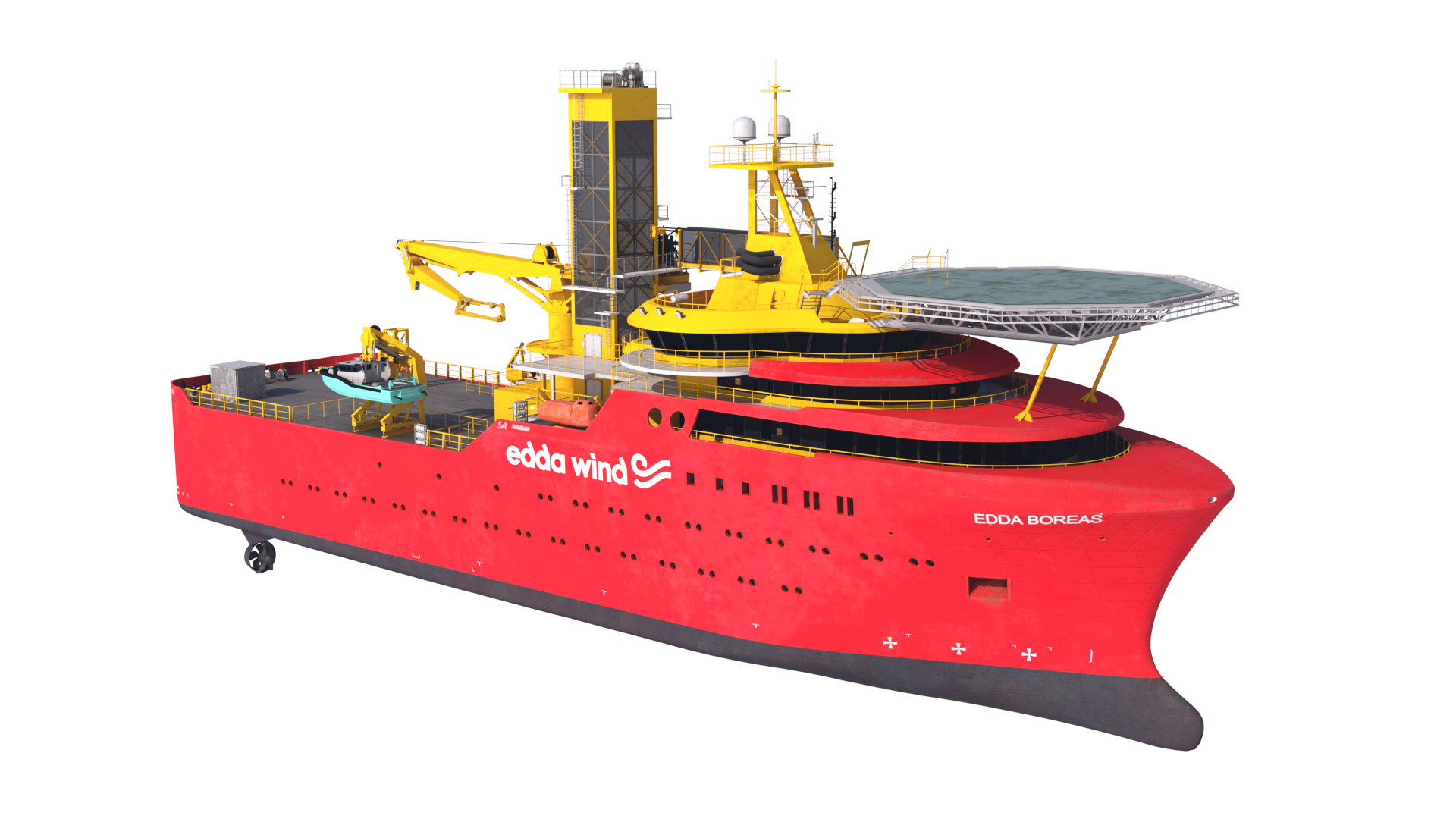
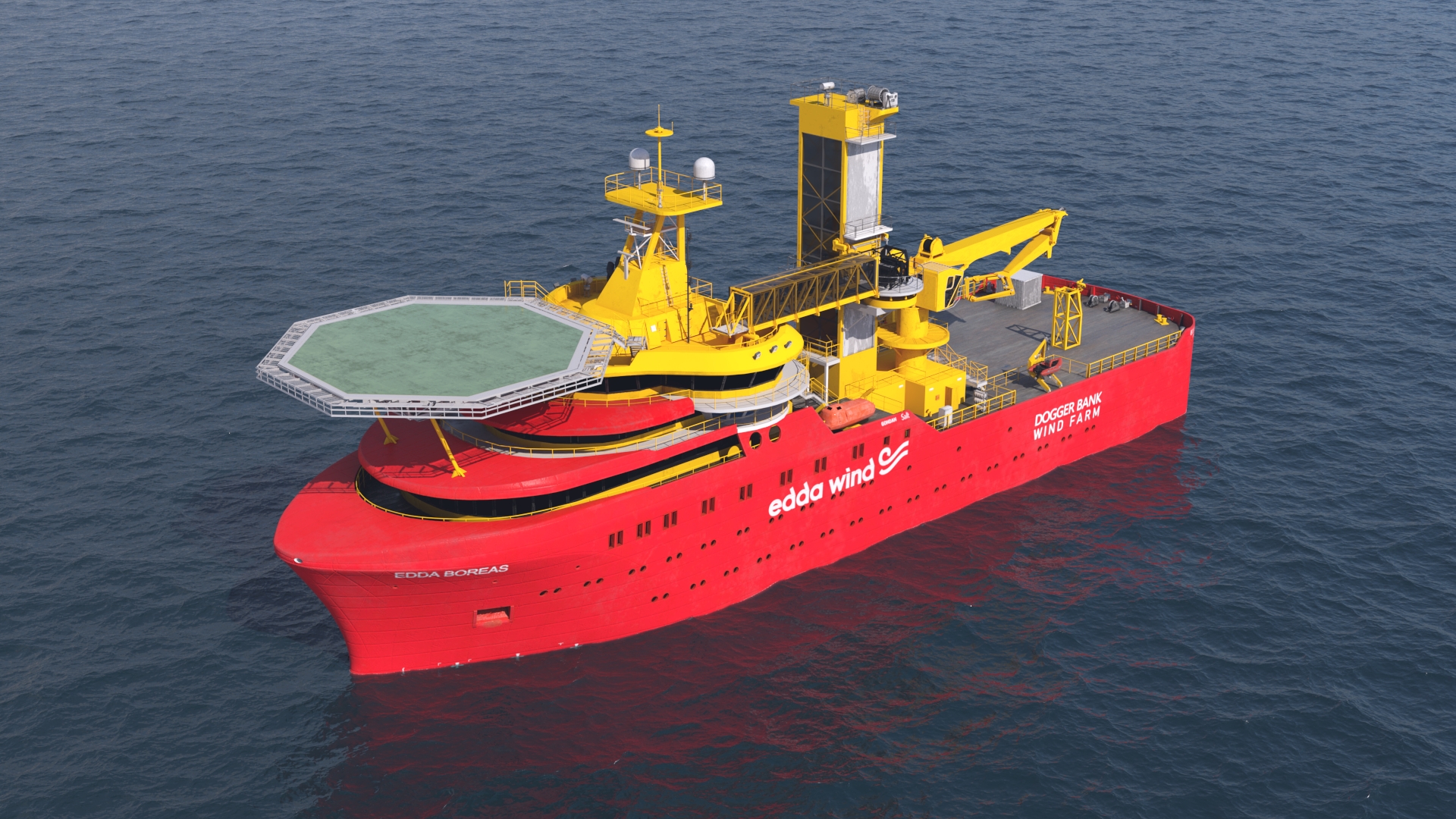
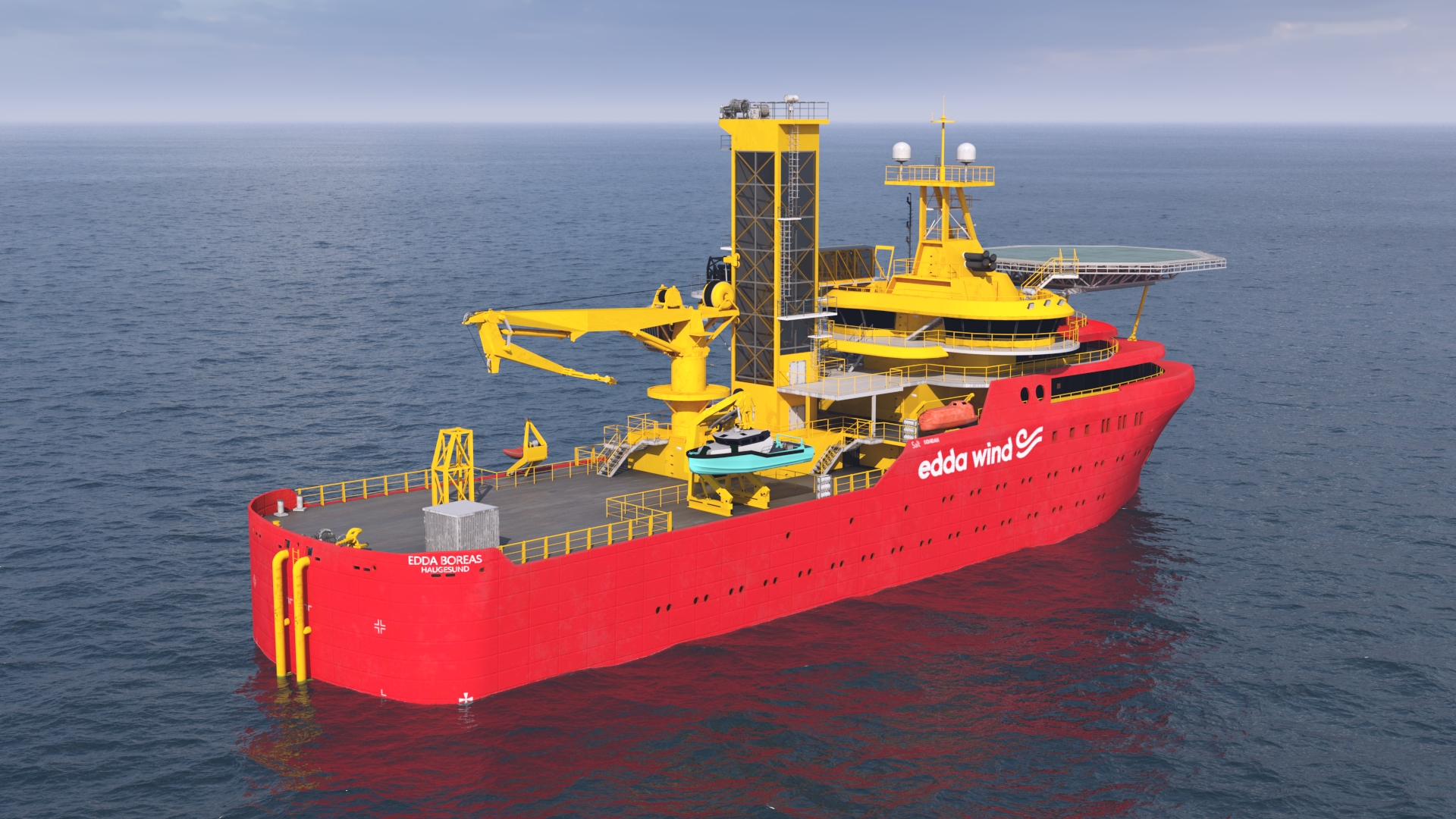
Edda Boreas – Offshore Support Vessel
Type: Offshore Support Vessel (OSV), likely a Walk-to-Work (W2W) or Service Operation Vessel (SOV).
Operator: Edda Wind (The vessel name “EDDA BOREAS” and homeport “HAUGESUND” are visible on the hull).
Main Function: Supporting the construction, maintenance, and repair operations of offshore wind farms. These vessels transport personnel and equipment to wind turbines and serve as operational bases for technical teams.
Key Features:
Helideck: Equipped with a helideck for helicopter operations, enabling rapid transfer of personnel and supplies.
Crane: Features a large yellow crane for lifting heavy equipment and spare parts between the vessel and offshore structures.
Walk-to-Work System: Likely includes a gangway system (possibly the tower structure midship) that allows safe and efficient access for technicians to wind turbine foundations.
Davit-launched Daughter Craft: A smaller boat is visible on deck, used for short-range transfers and operations near the vessel.
Deck Space: Offers a large open deck area for carrying equipment and components.
Accommodation Capacity: Typically designed to accommodate a significant number of crew and technicians (dozens of personnel) for extended periods offshore.
Design: The vessel has a bright red hull with yellow superstructure, presenting a modern and functional appearance.
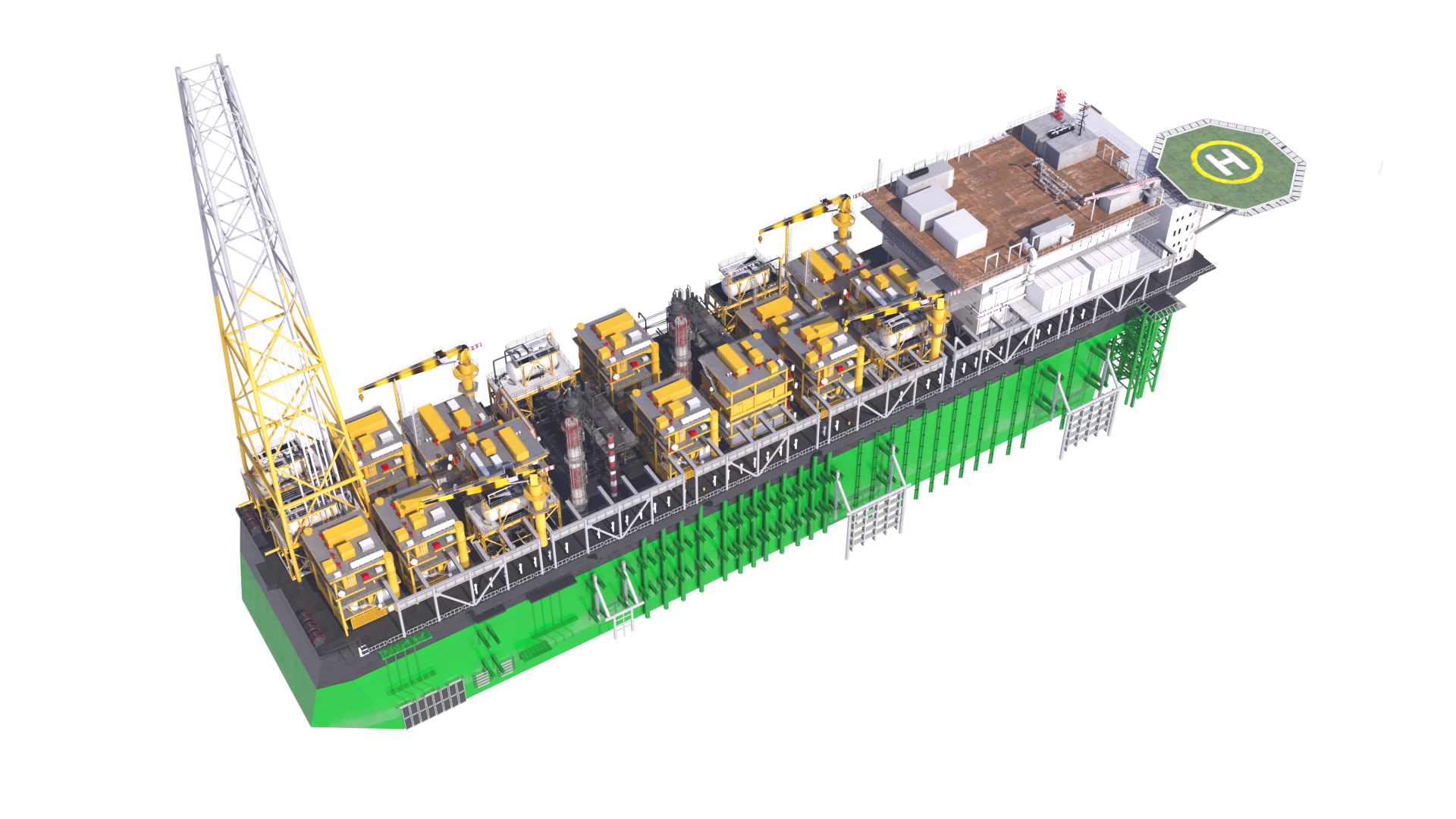
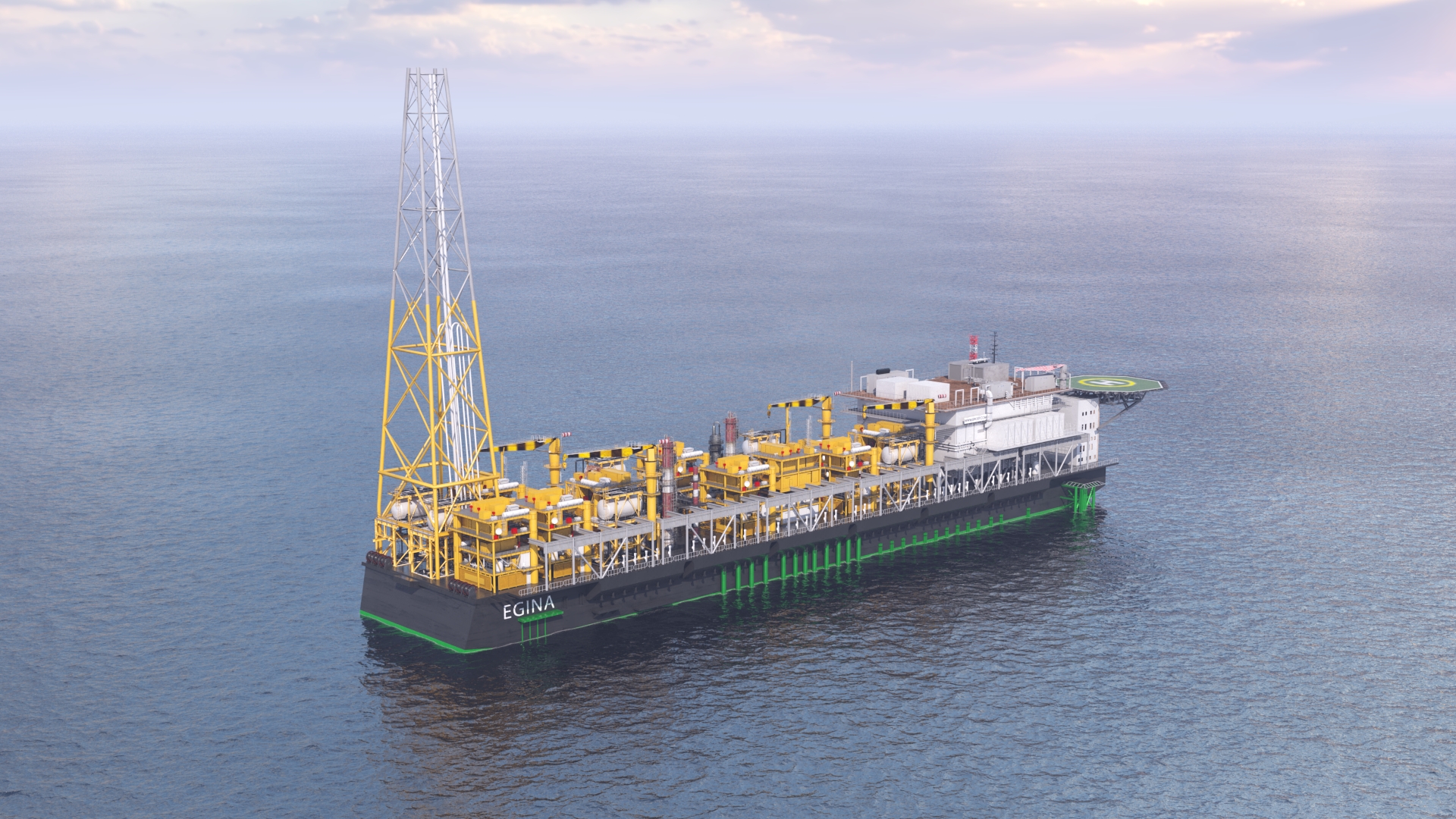
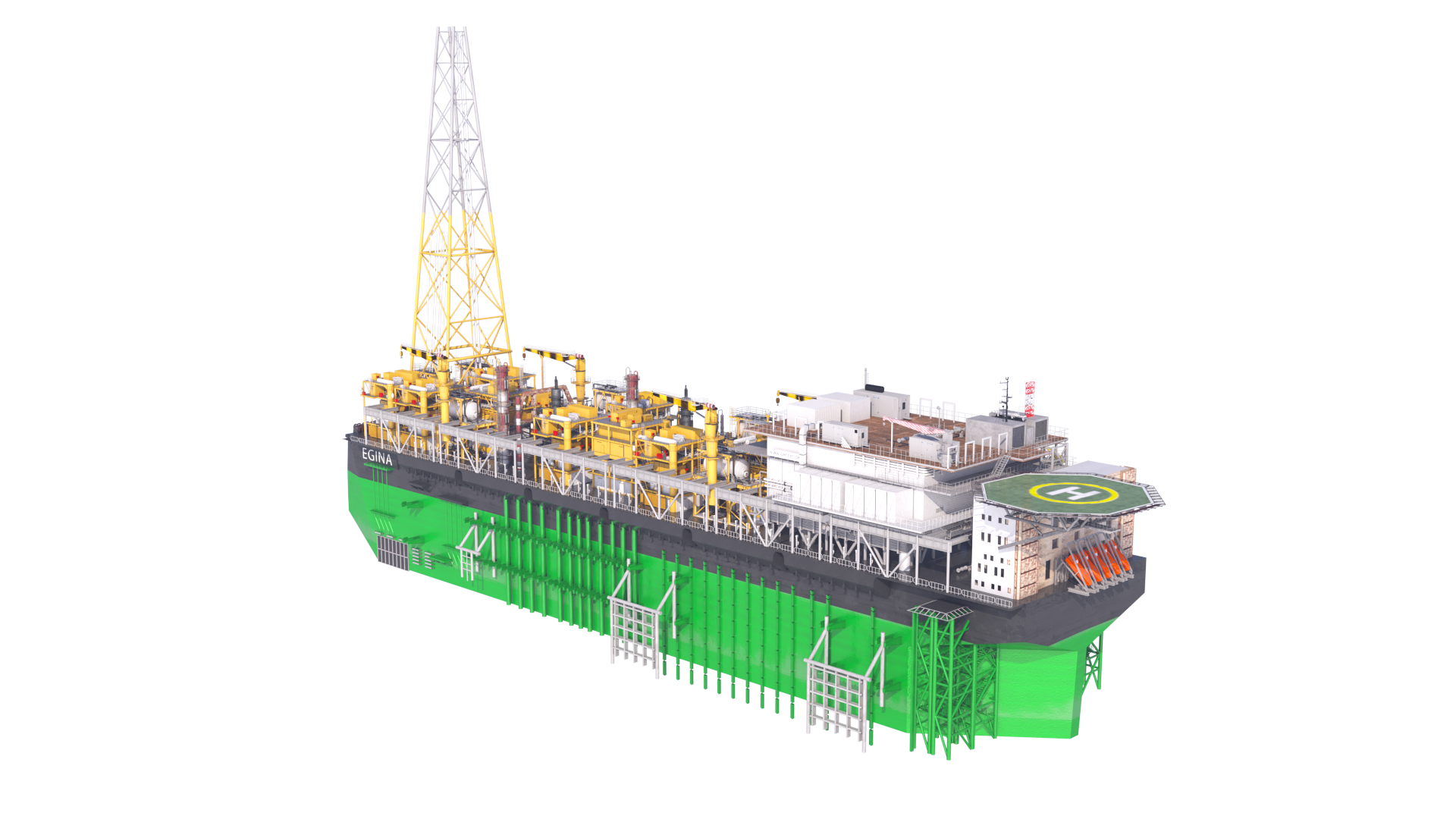
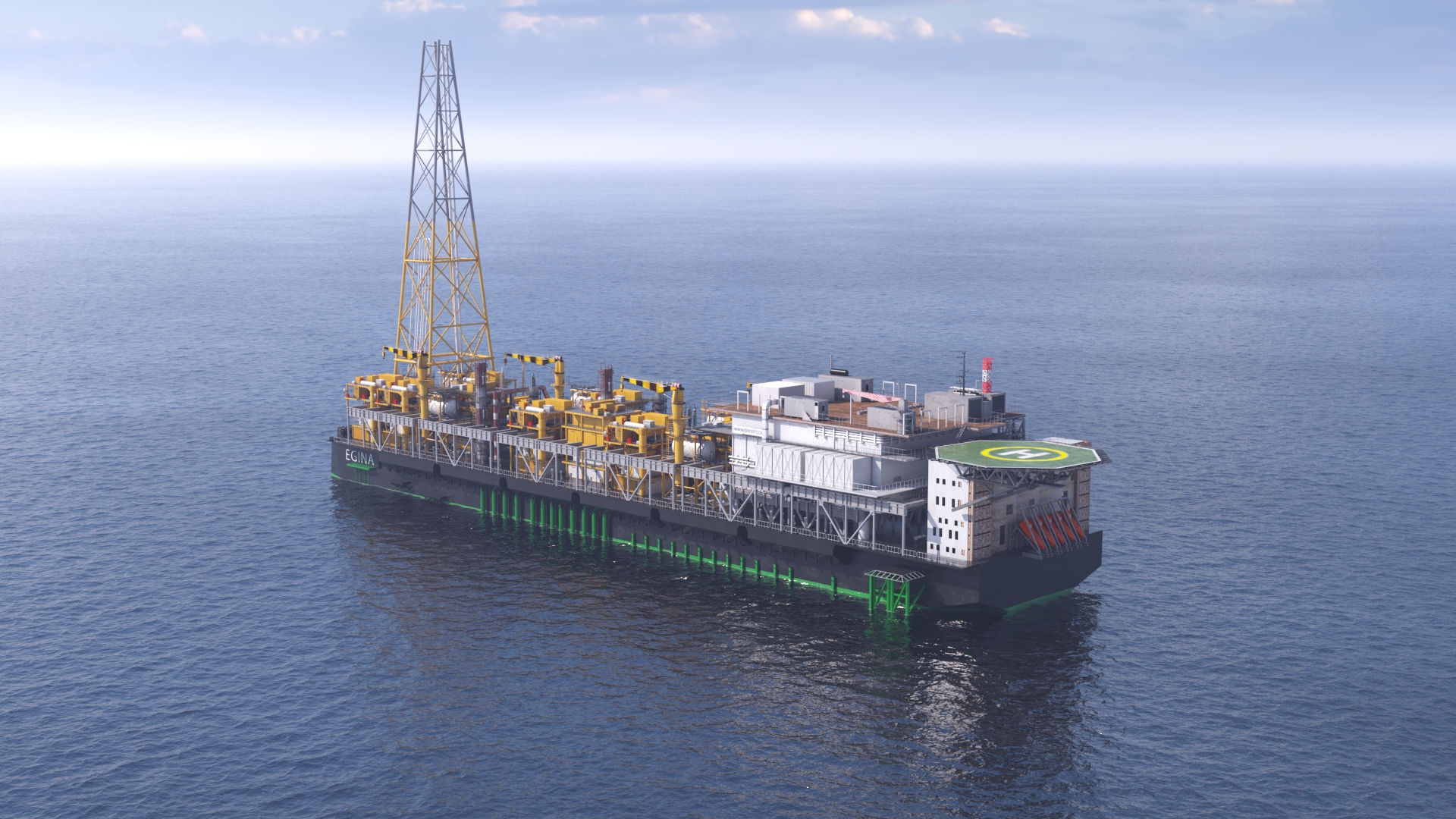
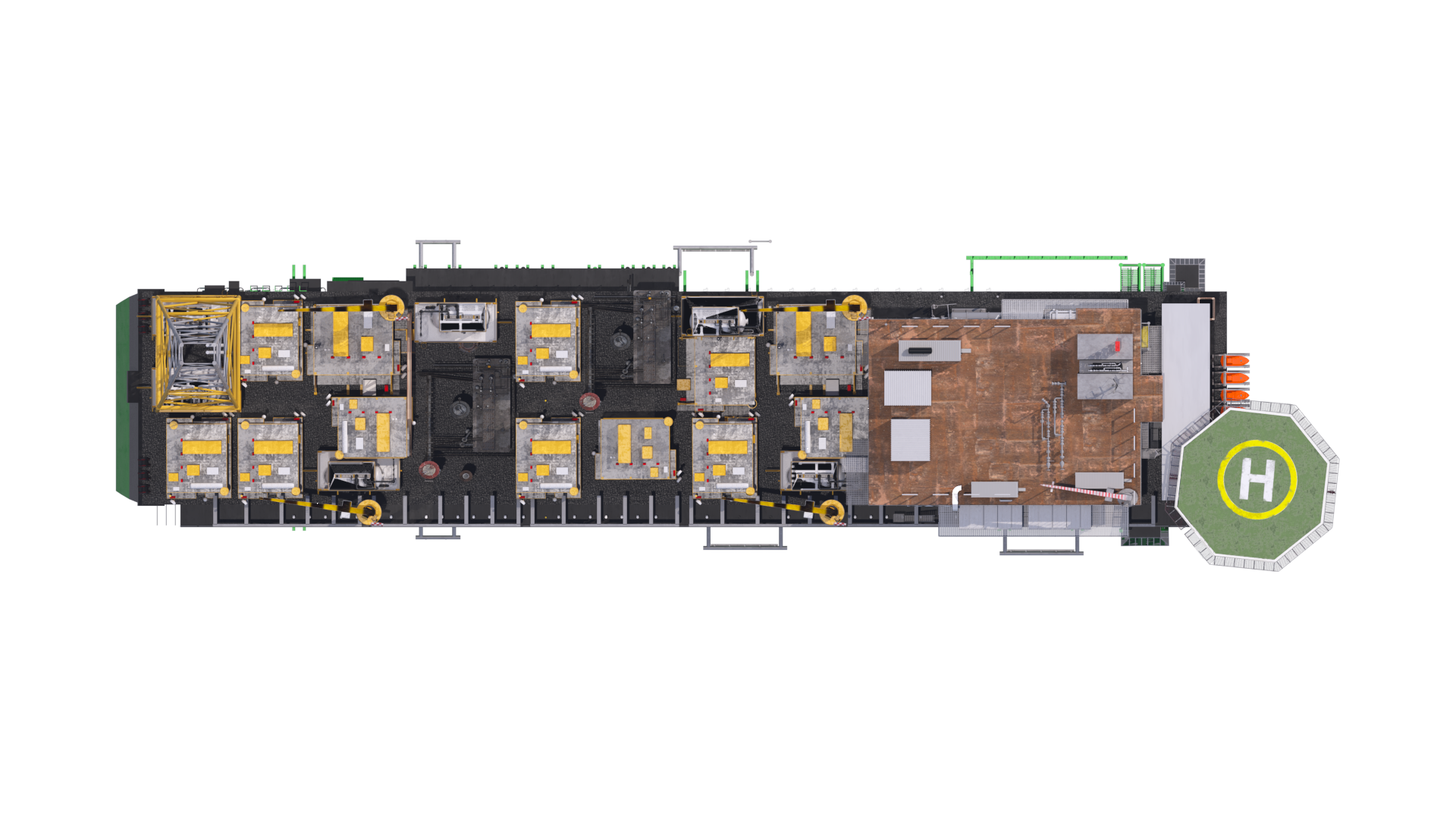
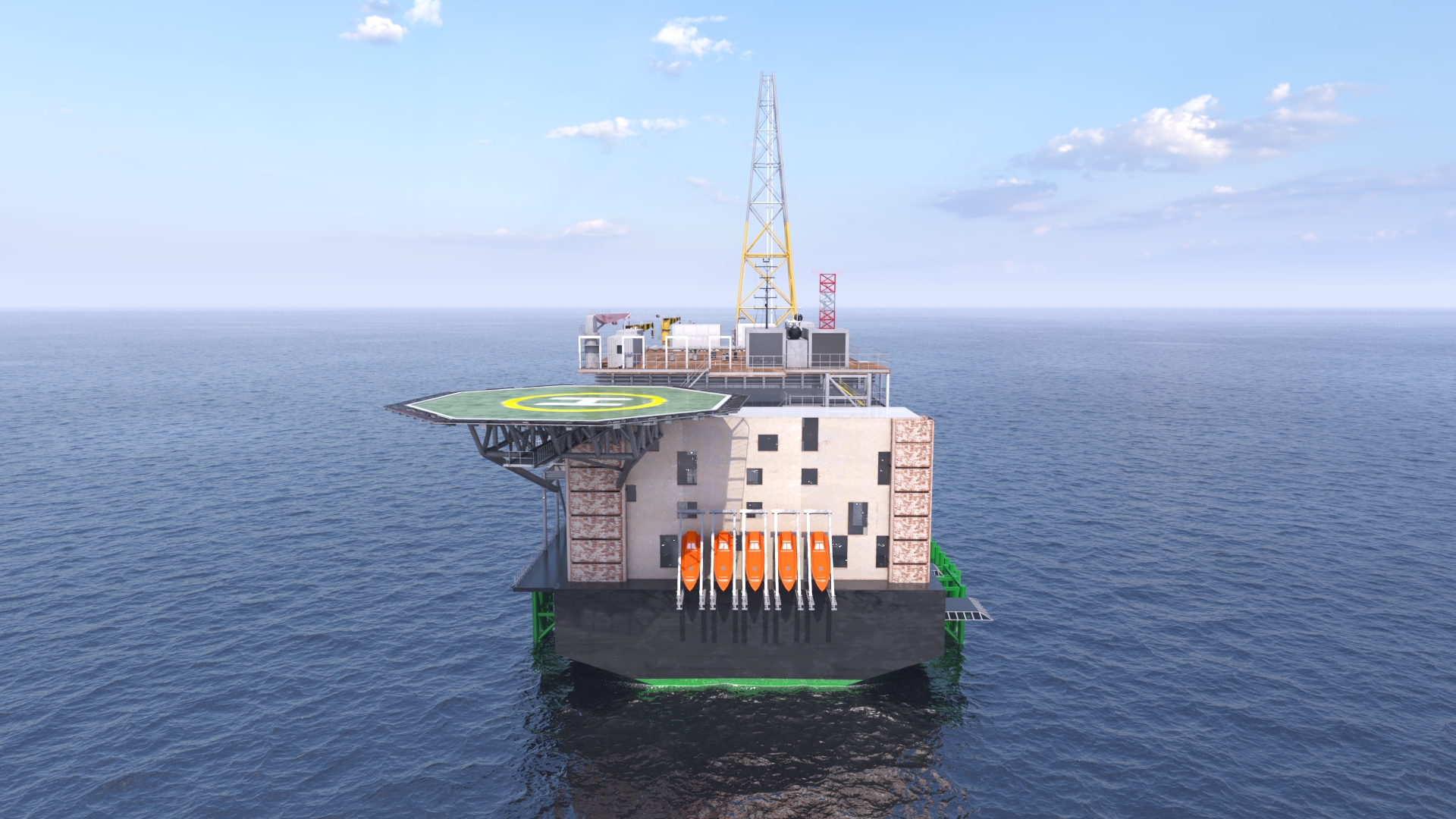
FPSO EGINA
Type: Floating Production, Storage, and Offloading unit (FPSO)
Name: EGINA (visible on the vessel’s hull)
Main Function: Processing crude oil extracted from offshore fields, storing it, and then offloading it onto shuttle tankers for transport to shore. FPSOs are crucial facilities for developing deep-water oil and gas fields.
Key Features:
Processing Topsides: Features tall structures (like a derrick) and extensive processing equipment (in yellow) on the deck for separating oil, gas, and water.
Storage Capacity: The hull contains large tanks for storing crude oil.
Helideck: Equipped with a helideck for personnel and equipment access via helicopter.
Offloading System: Hoses and arms designed for the safe transfer of oil from the FPSO to shuttle tankers.
Distinctive Hull Coloration: The hull is dark green below the waterline and black above, with a bright green band along the waterline, typically for anti-corrosion protection.
Dimensions: FPSOs are generally very large vessels, and EGINA is no exception, designed for deep-water operations.
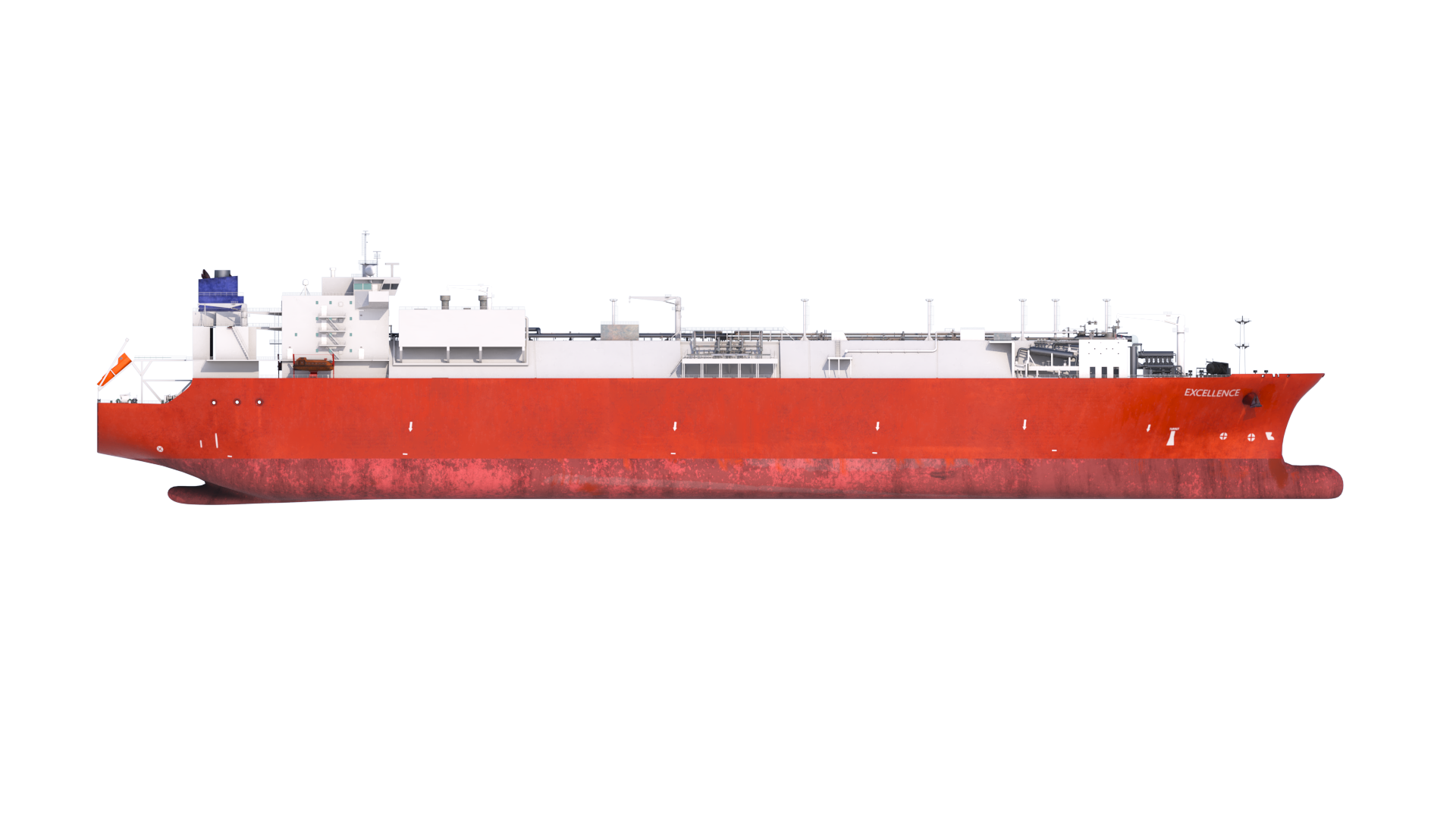
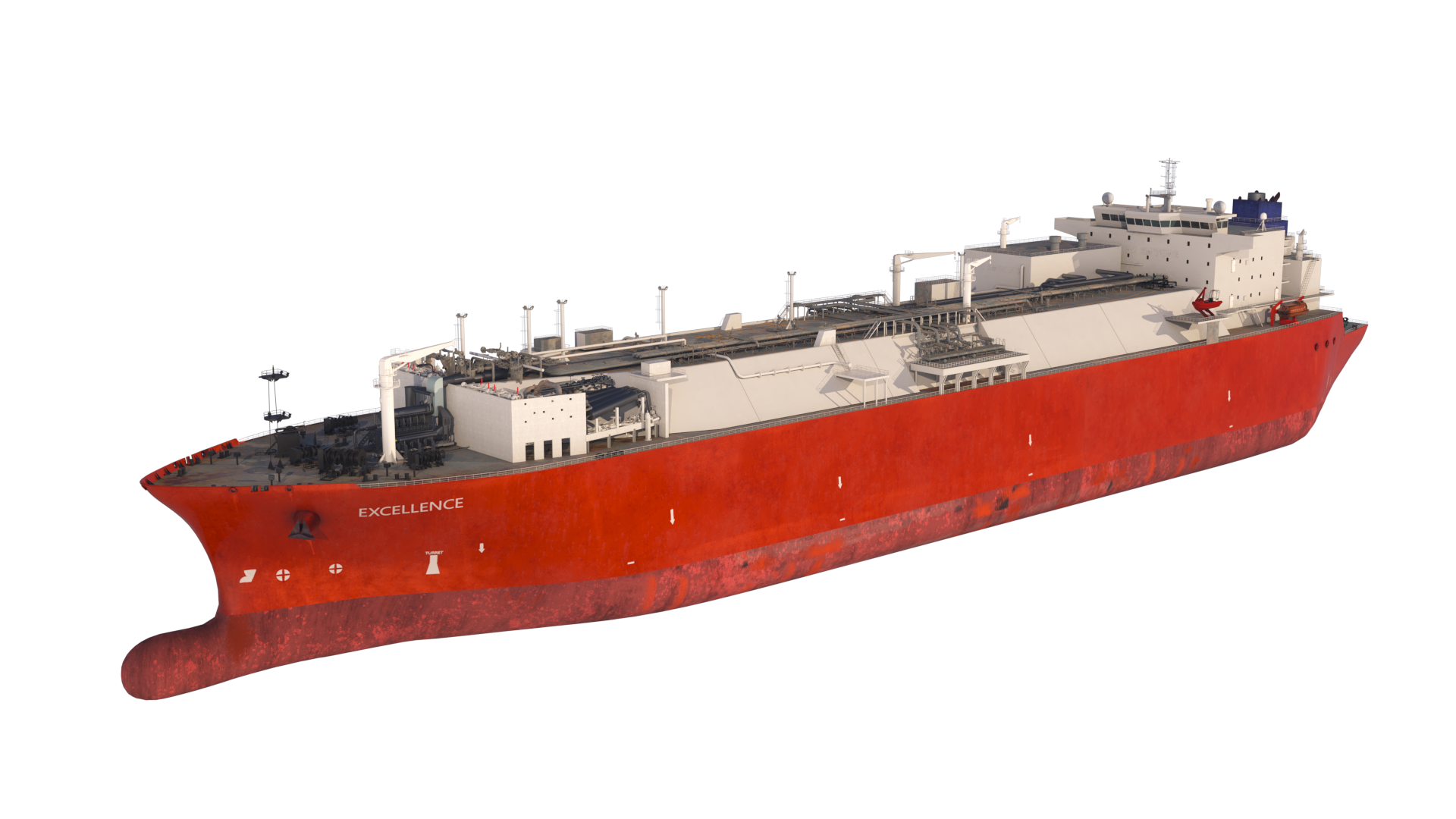
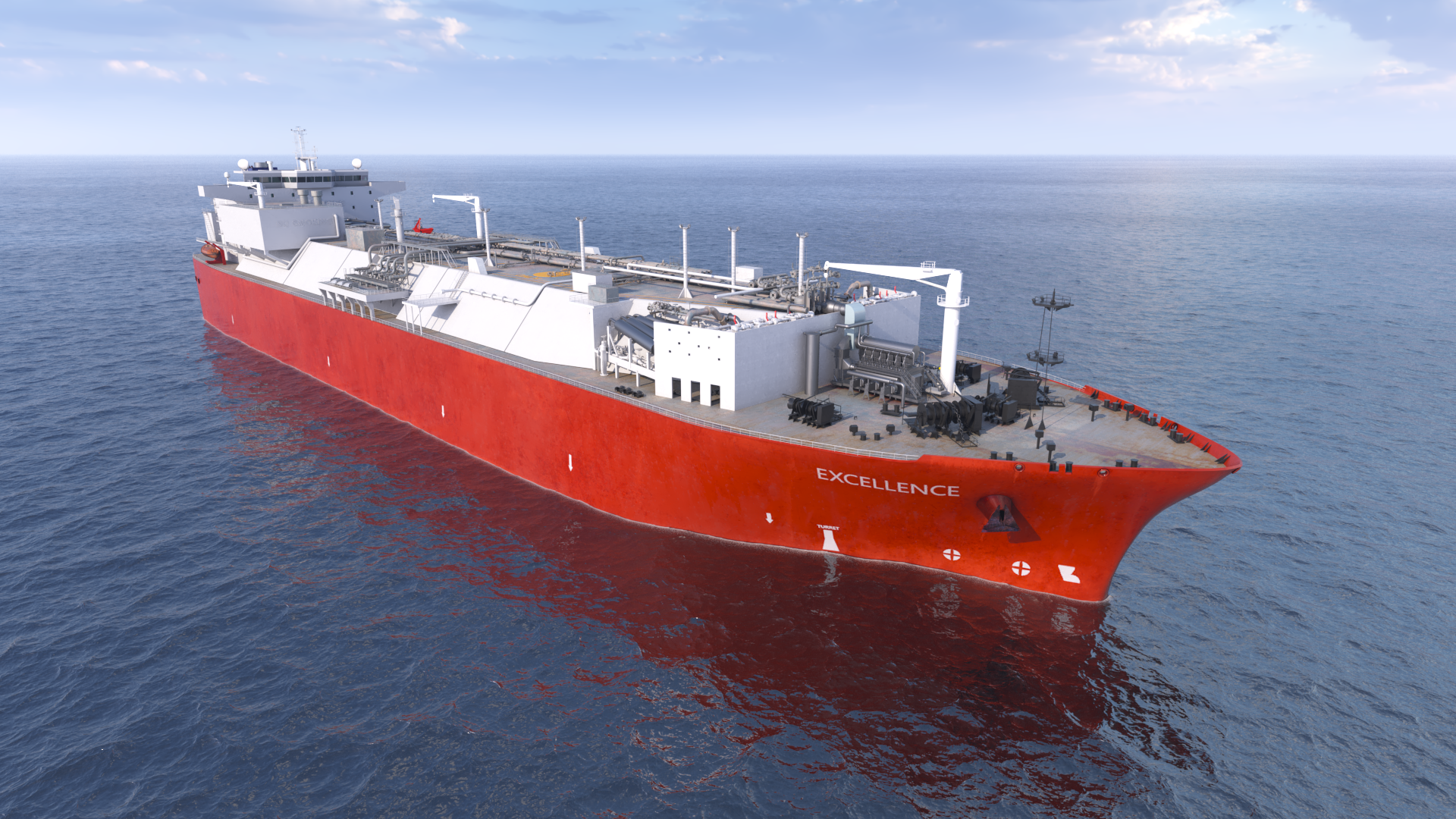
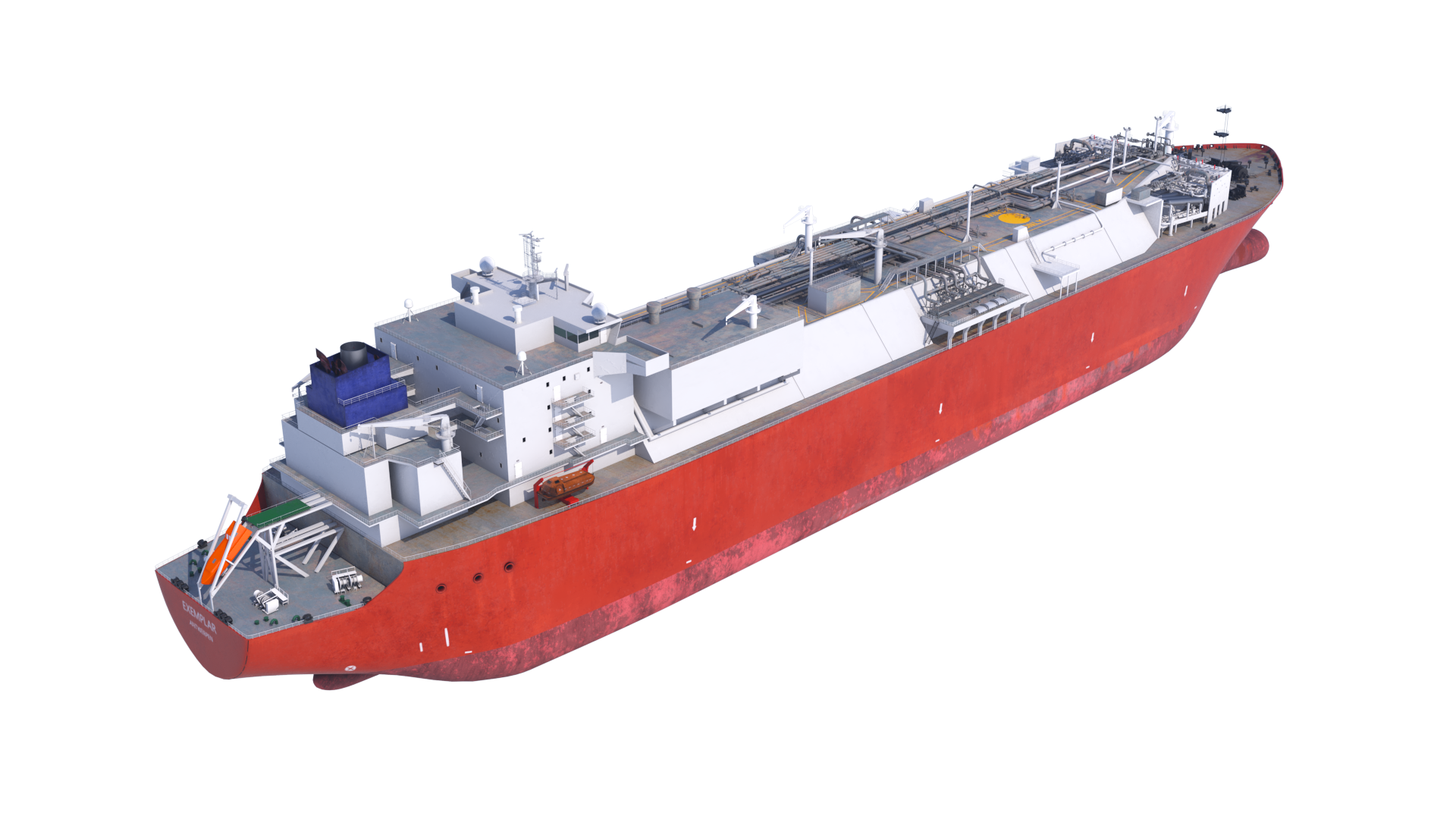
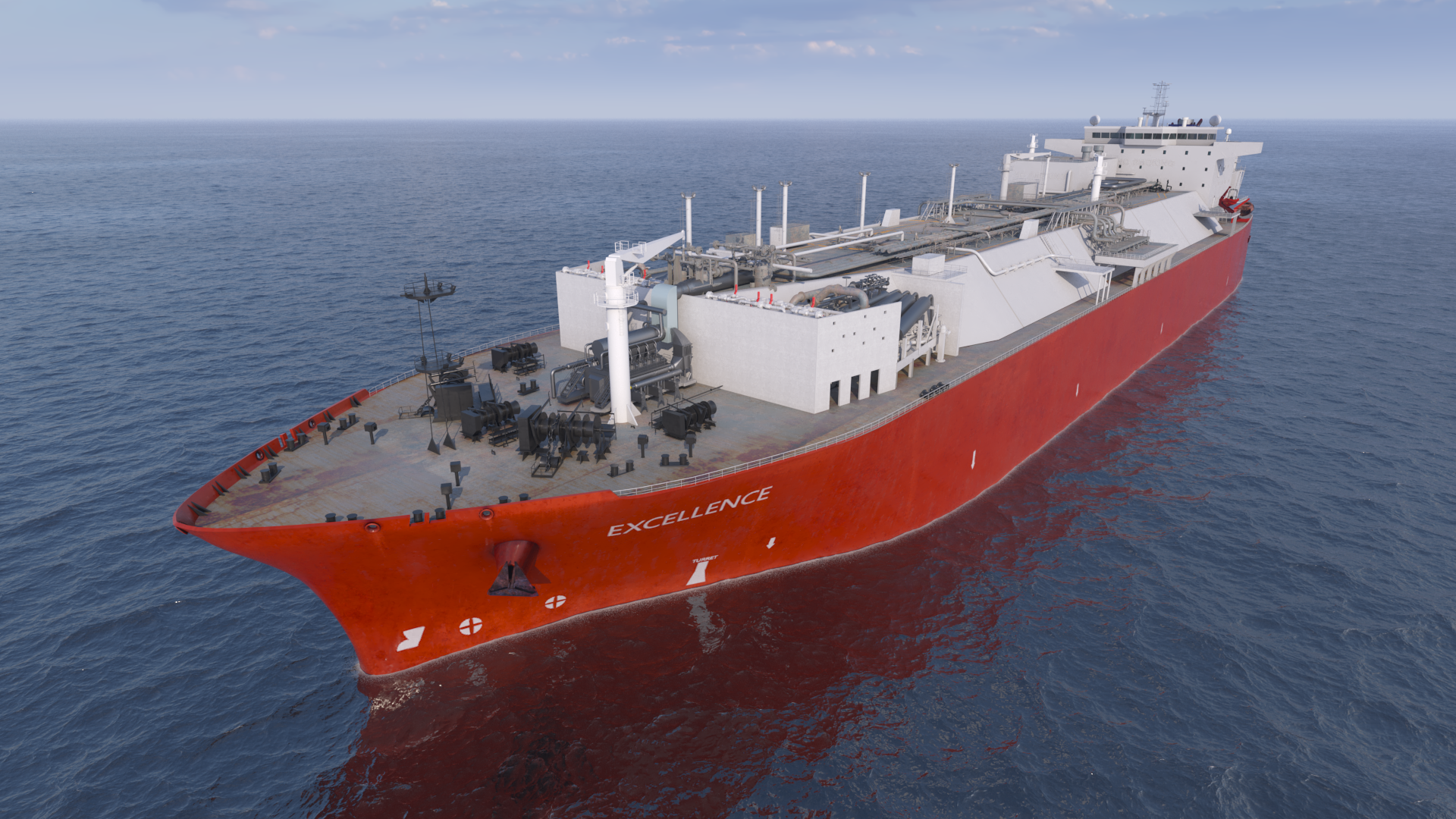
Excellence – LNG Carrier
Type: Liquefied Natural Gas (LNG) Carrier.
Name: EXCELLENCE (visible on the vessel’s hull).
Main Function: Transporting liquefied natural gas (LNG) over long distances, typically between countries with LNG production facilities and import terminals.
Key Features:
Spherical Tanks: The primary feature is the large spherical tanks (or other specialized containment systems in newer designs) used to store LNG at extremely low temperatures (around -162°C). These tanks are usually white or silver to maximize solar reflectivity and minimize boil-off.
Large, Cylindrical Hull: The hull is designed to provide the necessary volume and structural integrity for the containment systems. LNG carriers are among the largest vessels in the commercial fleet.
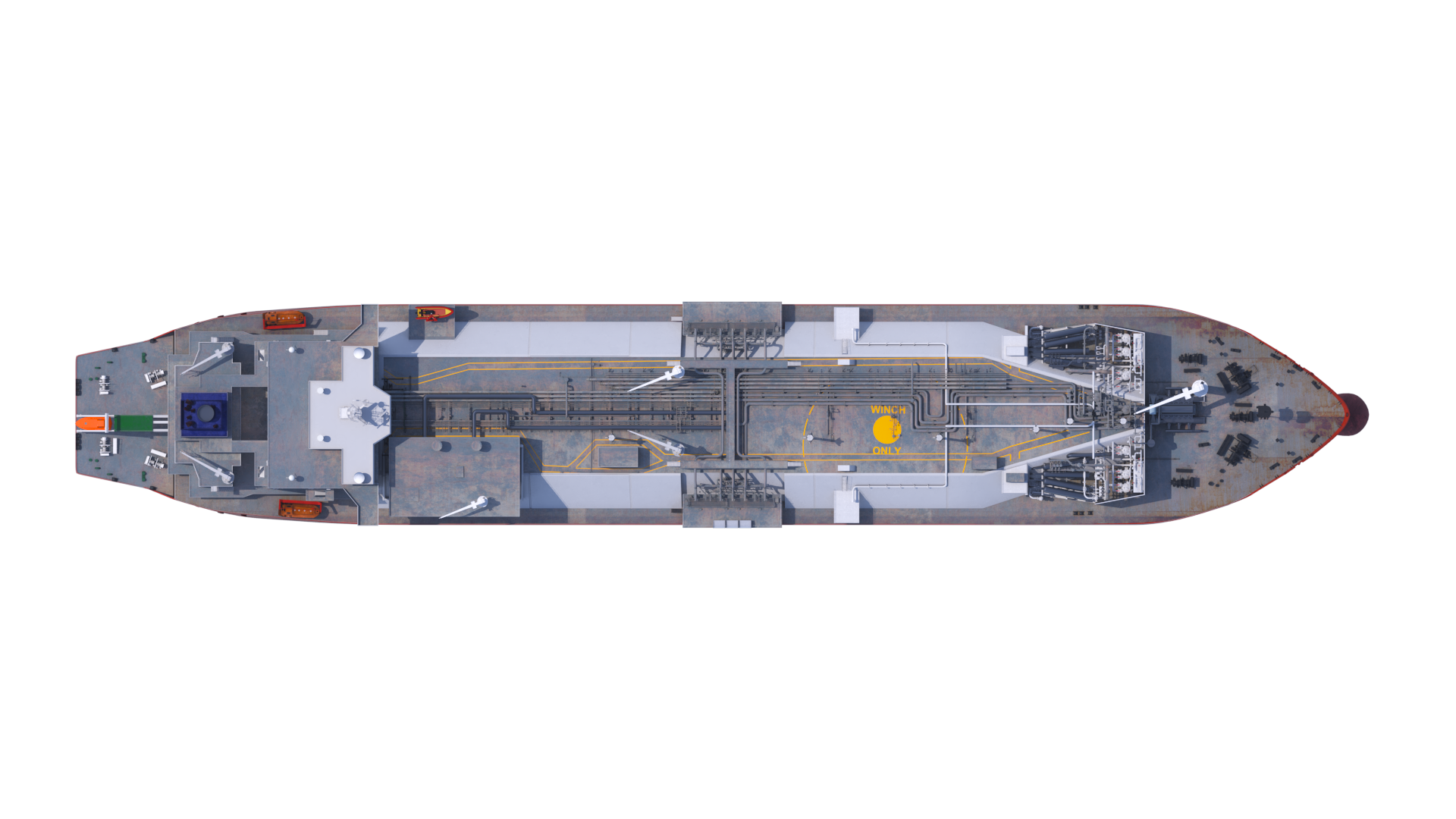
Piping and Gas Systems: The deck features a complex network of pipes, valves, and safety systems for loading, unloading, and managing the boil-off gas.
Superstructure: Contains the bridge, engine room, and accommodation for the crew, typically located at the stern.
Red Hull: The lower part of the hull is painted a dark red, usually indicating anti-fouling and anti-corrosion coatings.
Size: LNG carriers are massive vessels, and “Excellence” is likely one of these giants of maritime transport.
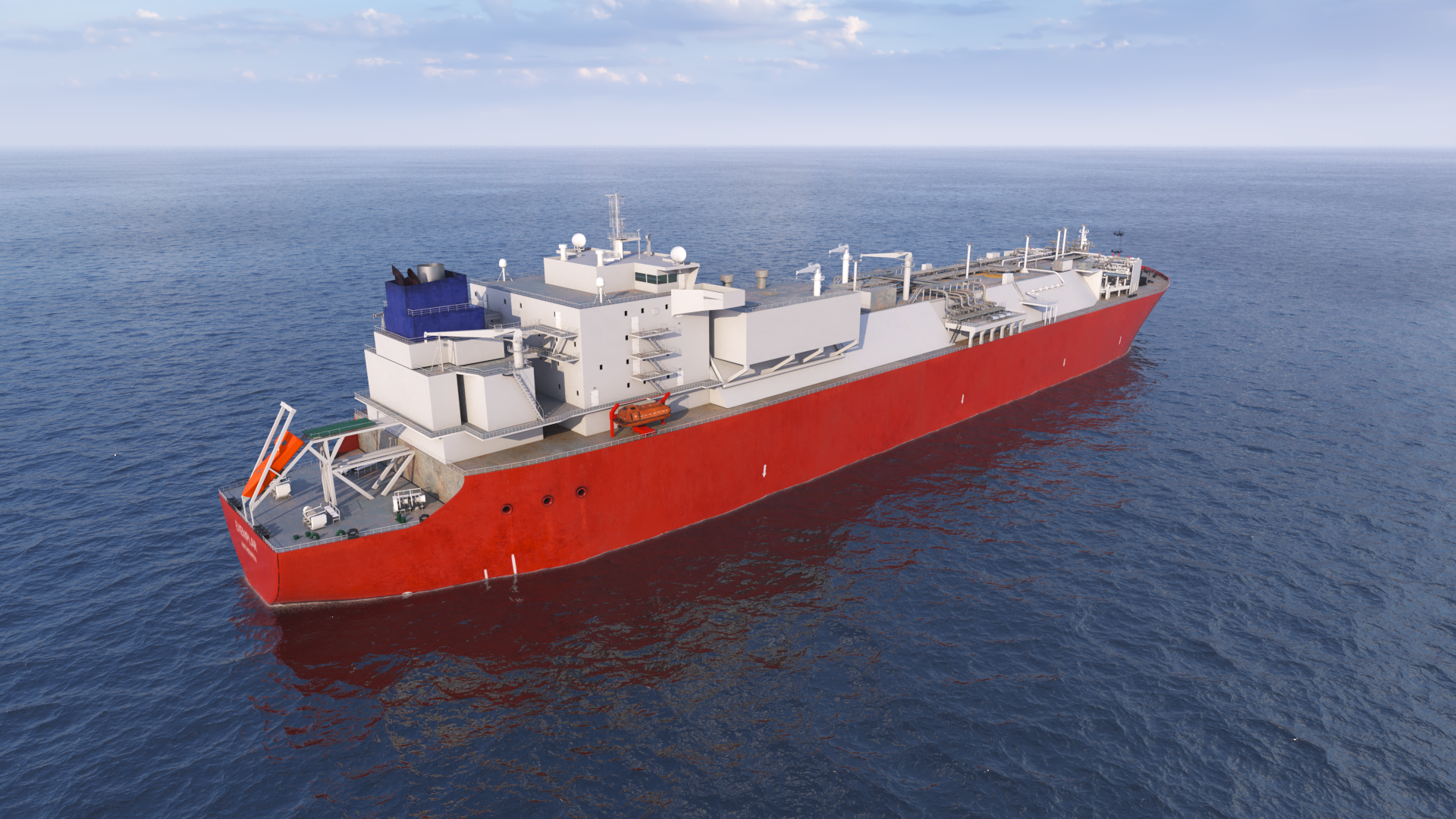
Excellence – LNG Carrier
Type: Liquefied Natural Gas (LNG) Carrier.
Name: EXCELLENCE (visible on the vessel’s hull).
Main Function: Transporting liquefied natural gas (LNG) over long distances, typically between countries with LNG production facilities and import terminals.
Key Features:
Spherical Tanks: The primary feature is the large spherical tanks (or other specialized containment systems in newer designs) used to store LNG at extremely low temperatures (around -162°C). These tanks are usually white or silver to maximize solar reflectivity and minimize boil-off.
Large, Cylindrical Hull: The hull is designed to provide the necessary volume and structural integrity for the containment systems. LNG carriers are among the largest vessels in the commercial fleet.
Piping and Gas Systems: The deck features a complex network of pipes, valves, and safety systems for loading, unloading, and managing the boil-off gas.
Superstructure: Contains the bridge, engine room, and accommodation for the crew, typically located at the stern.
Red Hull: The lower part of the hull is painted a dark red, usually indicating anti-fouling and anti-corrosion coatings.
Size: LNG carriers are massive vessels, and “Excellence” is likely one of these giants of maritime transport.